
Key Takeaways
- Rainy weather creates the perfect conditions for pest infestations by driving pests indoors in search of dry shelter.
- Moisture and humidity after storms support faster breeding and survival for many insects, especially mosquitoes, termites and cockroaches.
- Indoor areas become more attractive to pests during wet weather because food sources remain stable while outdoor options are disrupted.
- Frequent pest sightings after rain may signal hidden moisture or structural issues, and early assessment helps prevent an infestation from spreading.
Understanding Why Rain Brings Pests Into Your Home
Singapore’s weather can switch from sunshine to a sudden downpour within minutes, and pests react to these changes almost immediately. It is common for households to spot ants trailing across the kitchen, cockroaches emerging from corners or mosquitoes buzzing around soon after the rain stops. These moments often feel like pests are being pushed indoors, but it is really the moisture, heat and rising humidity that influence how they behave. Once these patterns become clear, it is easier to understand why pest infestations often show up right after wet weather.
Rain Pushes Pests Indoors in Search of Dry Ground
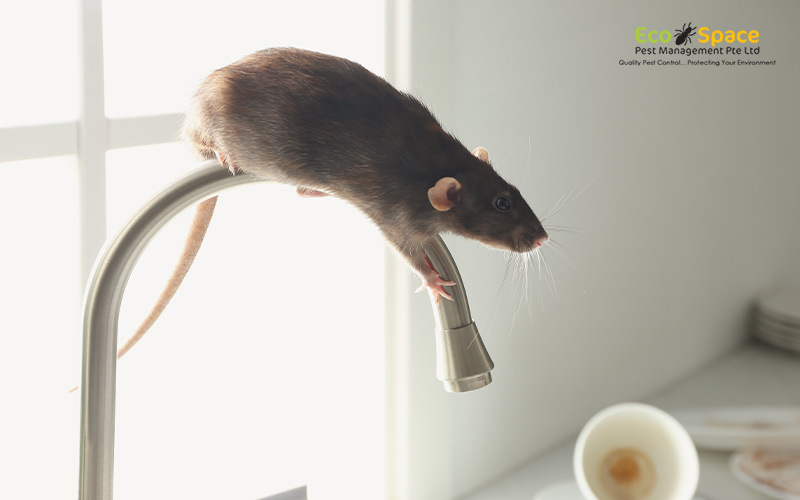
When the rain comes down hard, soil, drains and small ground-level gaps start to fill with water. Places that usually shelter ants, rodents and cockroaches become too wet for them to stay. As their outdoor nests flood, these pests move upward in search of dry, safe spots. Homes, corridors and sheltered corners provide the cover they need, which is why many residents notice a sudden rise in common pests after heavy rain.
Moisture and Humidity Help Pests Multiply
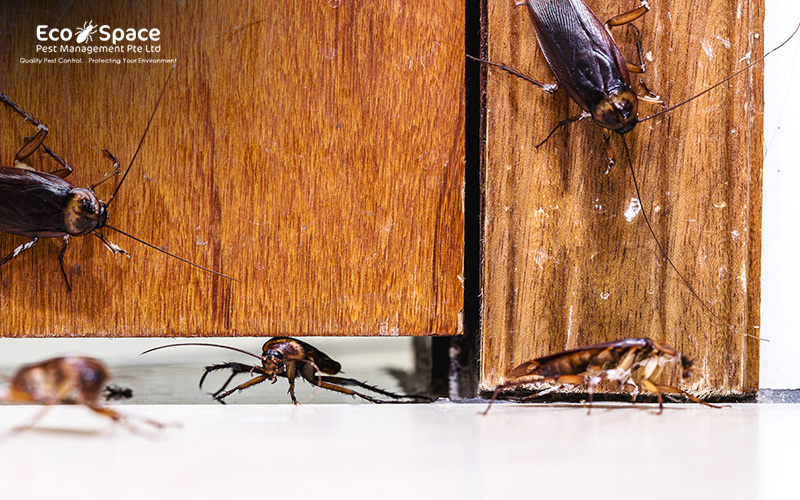
Once a storm passes, the air becomes warm and heavy with moisture. This shift creates ideal conditions for many insects to grow and reproduce. Mosquitoes make use of even the smallest pools of stagnant water, and cockroach eggs tend to develop more easily when humidity rises. Termites also become more active as softened soil and damp wood make it easier for them to move and forage. These changes explain the repeated waves of post-monsoon pests that appear during the wetter months.
Indoor Spaces Feel More Attractive When the Outdoors Is Wet
Rain makes it harder for pests to find food outdoors, since much of what they rely on gets washed away or becomes inaccessible. Inside the home, food stays dry and stored in familiar places, which makes kitchens, pantries, bin areas and sheltered cupboards far more appealing. Rodents tend to follow food scents into small spaces; ants travel along wall edges and narrow gaps; and cockroaches settle into warm, dry corners that stay dry during a storm. These shifts help explain the noticeable rise in pest activity after rain and how easily a simple increase in movement can develop into a growing pest infestation.
Wet Weather Can Reveal New Entry Points
Moisture can affect building materials in subtle ways. Wood, sealant, and certain types of concrete may swell or soften slightly after prolonged rain, which can cause small gaps around windows, pipes, or ventilation points to widen without being obvious. These tiny openings are easy for pests to slip through when the outdoors becomes too wet. Termites may also take advantage of damp wood to explore new pathways that bring them closer to living spaces. When entry points are difficult to identify, professional pest control services are often better equipped to pinpoint where the structural weakness begins and how pests are getting inside.
Repeated Sightings After Rain Suggest a Deeper Issue
Seeing a pest or two after rain is pretty common, but noticing them across different rooms or after every downpour often points to a deeper issue. Moisture trapped within walls or unnoticed gaps in the structure can create comfortable hiding spots that allow pests to stay active indoors. When the source is not immediately obvious, an early assessment by a pest exterminator can help uncover where the pest infestation is starting.
Taking the Next Step Toward a Pest-Free Home
Rainy weather will always play a part in how pests move and behave in Singapore. When the ground stays soaked, and the air becomes humid, insects and rodents take advantage of these conditions and become more active. These patterns can also signal an underlying pest infestation that is slowly building up behind the scenes. Households that experience recurring pest activity during the monsoon period will benefit from residential pest control services, which provide consistent support and help manage pest pressure year-round.
If your home regularly sees a surge in pests after storms, EcoSpace Pest Management is ready to help you uncover what is driving the activity. Our team provides clear assessments, targeted solutions and guidance that fits your home’s needs.
Reach out today to keep your living spaces comfortable and protected throughout the rainy season.