
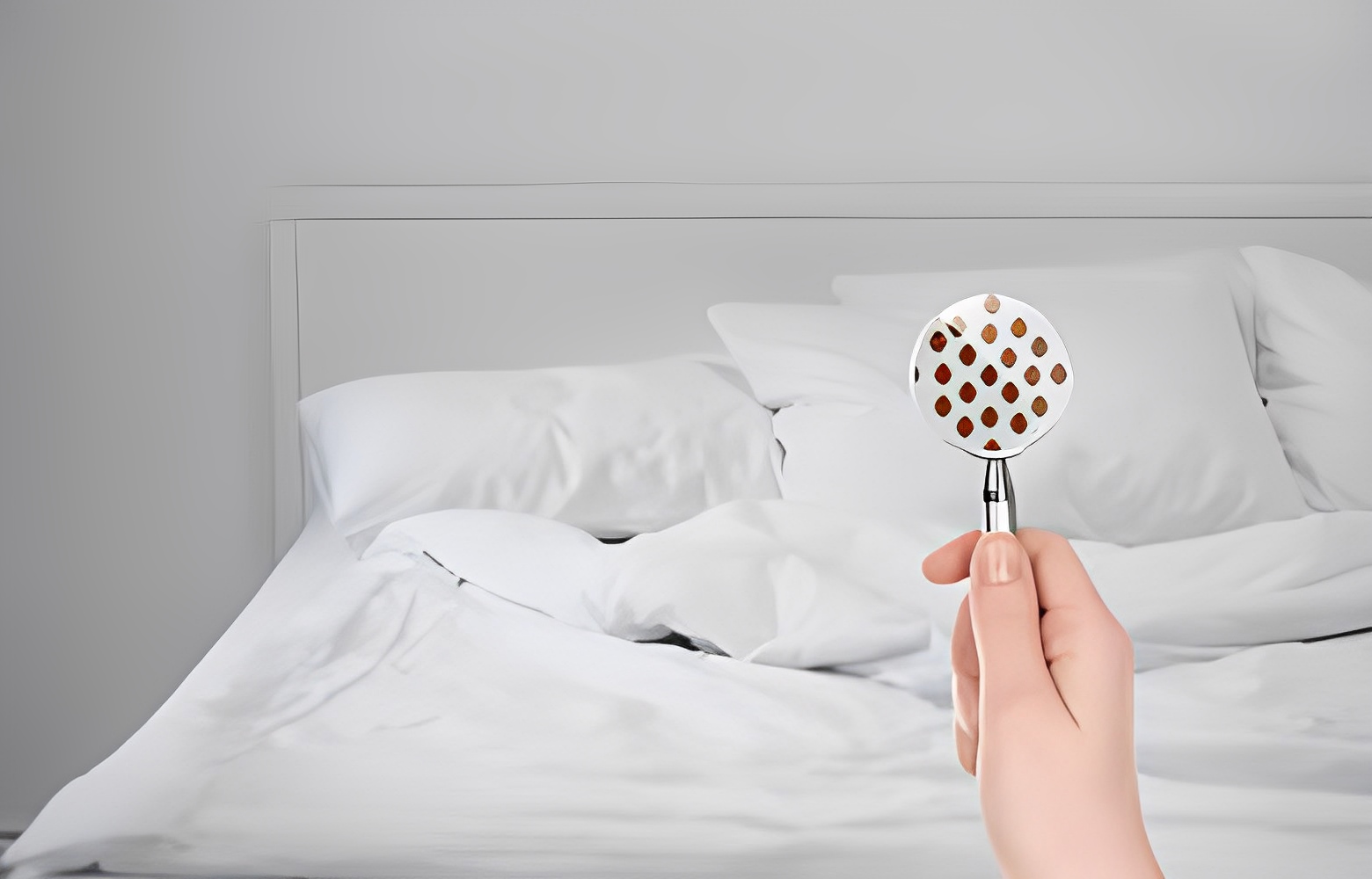
Bedbug infestations are a growing concern in urban environments, and Singapore is no exception. This blog serves as an essential resource, offering detailed insights into identifying and combating these elusive pests. Our goal is to empower you with knowledge and practical strategies, ensuring your living spaces remain safe and bedbug-free. Our goal is to debunk the myths surrounding bedbugs and offer practical solutions for bed bug control in Singapore that can safeguard your house and your peace of mind.
Understanding Bedbugs: What It is and Its Global Presence
Bedbugs are small, nocturnal insects feeding on human and animal blood. Adult bedbugs resemble the size and colour of an apple seed, being reddish-brown and flat. Their young, known as nymphs, are smaller and harder to spot due to their translucent or yellowish colour. These pests are skilled at hiding and can infiltrate various environments.
Interestingly, bedbugs don’t confine themselves to beds alone. They’re found in a range of places like apartments, hotels, public transportation, and even in immaculate homes. Their flattened bodies allow them to sneak into tiny spaces. In short, they could be anywhere humans are.
Bedbugs are a worldwide issue, not just a problem in developing countries. From Asia to Europe and the Americas, these pests have made their presence known everywhere. In Singapore, with our high population density, the risk of bedbug infestations is even more significant.
Identifying Bedbug Infestations
Signs of an Infestation Identifying a bedbug infestation early is crucial, look for these signs:
- Itchy bites, often in clusters, on your skin.
- Little stains of blood on your mattress or bedding.
- Tiny, pale yellow eggs or eggshells.
- Black dots, the size of a period, which are bedbug droppings.
- Shed skin that looks like the bugs themselves.
- A strong, musty smell near your bed.
- Actual bedbugs in your bed.
Inspecting Your Home to check for bedbugs, focus on these areas:
- Mattress seams, tags, and piping.
- Bed frame and headboard cracks.
- Sofa and chair seams.
- Curtain folds.
- Electrical outlets and appliances.
- Nearby rooms or clothing.
Remember, finding bedbugs in your home is not a sign of dirtiness. They thrive solely on blood, so cleanliness isn’t a factor in their presence.
Bedbug Hotspots in Singapore
In Singapore, bedbugs have been spotted in various public spaces. They’re not just limited to homes. Places like hotels, dormitories, public transportation, and even cruise ships have reported infestations. It’s important to be vigilant, especially in areas with high human traffic. By staying alert, you can significantly reduce the risk of inadvertently bringing these pests into your home.
Prevention Strategies for Bedbugs
Creating a Bedbug-Free Environment
Bed bug removal in Singapore starts with proactive measures. Here are simple yet effective strategies:
- Regular Inspection: Check mattresses, furniture, and hidden spots periodically. Look for signs like tiny eggs or shed skin.
- Travel Smart: When travelling, use luggage racks instead of placing bags on the bed. On returning, wash your clothes at high temperatures.
- Protect Your Mattress: Use tightly woven, zippered covers on mattresses and box springs to prevent bedbugs from entering or escaping.
- Reduce Clutter: Less clutter means fewer hiding places for bedbugs. Keep your living spaces tidy and organized.
Incorporating Good Practices
Good habits can significantly reduce the risk of infestations:
- Vacuum Regularly: Clean your floors, carpets, and furniture often. After using the hoover bag, discard it right away.
- Be Cautious with Second-Hand Items: Inspect any used furniture or clothing before bringing them into your home.
- Awareness in Shared Spaces: If you use shared laundry facilities, transport your clothes in plastic bags and fold them at home.
Dealing with a Bedbug Infestation
Immediate Steps to Take
Discovering bedbugs can be stressful, but swift action can control the situation:
- Isolate Affected Areas: Keep the infested items separate to prevent spreading.
- Wash and Heat Treat: Launder your bedding, curtains, and clothing at high temperatures.
- Vacuum Thoroughly: Focus on mattresses, bed frames, and nearby areas. Once sealed, discard the hoover bag outside of your house.
- Use Mattress Covers: Encase your mattress and box springs in special covers to trap any remaining bedbugs.
Seeking Professional Help
In many cases, bed bugs exterminator is the most effective solution:
- Hire Experts: Licensed pest control professionals have the experience and tools to thoroughly eliminate bedbugs.
- Follow-up Treatments: Sometimes, multiple treatments are necessary for complete eradication.
The Correlation of Public Health and Bedbugs
Community Efforts in Singapore
Bedbugs are not just a personal issue but a public health concern:
- Report Infestations: If you spot bedbugs in public spaces, report them to the relevant authorities.
- Collaboration with Public Health Officials: Local health departments may provide guidance and support in managing outbreaks.
Public Education
Awareness is key to preventing widespread infestations:
- Workshops and Information Drives: Participate in local events to learn more about bedbug prevention.
- Resource Sharing: Spread the word by sharing informative materials within your community.
Staying Informed Against Bedbugs
Accessing Reliable Information
Stay updated with the latest bedbug prevention and treatment methods is a crucial aspect of bed bug treatment in Singapore:
- Online Resources: Regularly visit trusted websites for the latest information.
- Community Forums: Engage in online forums and discussions with fellow Singaporeans for tips and experiences.
Building a Supportive Network
Dealing with bedbugs is easier with community support:
- Neighbourhood Groups: Join or form groups in your area to share information and resources.
- Feedback and Experiences: Share your experiences and learn from others who have dealt with bedbugs.
 EcoSpace Pest Management Pte Ltd