
Key Takeaways
- Fleas can cause health issues for pets and humans.
- Early detection and treatment are key to controlling fleas.
- Maintaining a clean home environment helps prevent recurring flea problems.
- Professional pest control is recommended for severe infestations.
- Grooming and hygiene are essential parts of flea prevention.
Why Flea Infestations Are a Serious Problem
A flea infestation isn’t just a source of discomfort, it’s a serious health risk for both your pets and your household. Fleas can carry diseases and cause allergic reactions, not to mention intense itching and skin infections in your furry companions. In Singapore’s warm and humid climate, fleas can thrive year-round, making prevention and quick action essential. By understanding the signs and knowing how to respond, you can keep your pets safe, your home clean, and your family protected.
1. Spot the Symptoms of Fleas in Pets
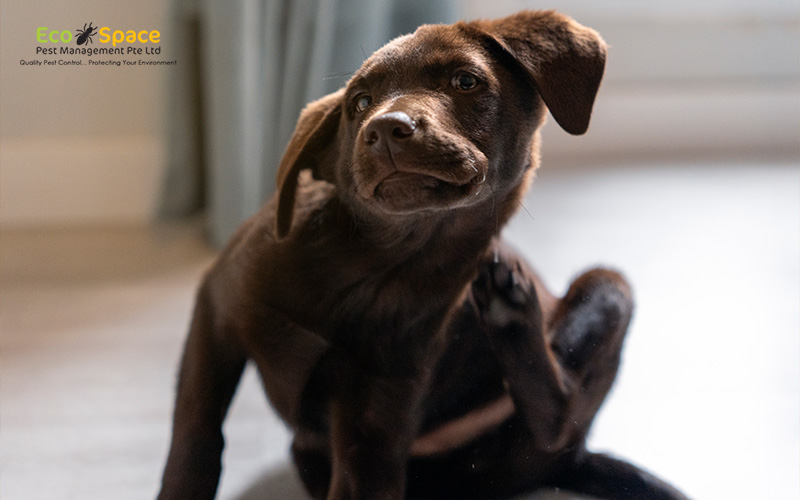
The first step in managing a flea infestation is recognising the signs. If your dog or cat is scratching excessively, chewing at their skin, or showing signs of red, inflamed patches, fleas could be the culprit. Look closely at their fur, you might see small black specks (commonly called flea dirt) or even the fleas themselves, especially around the neck, belly, and base of the tail.
Changes in behaviour such as restlessness or sudden aggression when touched may also signal discomfort. If your pet has a thick coat, use a flea comb to inspect more thoroughly during their regular pet grooming routine. Early detection makes treatment much easier and helps avoid further infestation.
2. Wash Bedding and Vacuum Frequently
One of the most effective ways to disrupt the flea lifecycle is by thoroughly cleaning your home. Flea eggs and larvae often hide in soft furnishings, making your carpets, sofas, and pet bedding ideal breeding grounds. Regular vacuuming, particularly in corners, under furniture, and along ant trails where pests might linger, can significantly reduce flea populations.
Make it a habit to wash all pet bedding, rugs, and cushion covers in hot water weekly. Include any soft toys or blankets your pet uses. A consistent fabric cleaning routine goes a long way in managing fleas and keeping your home free from pests.
3. Choose Vet-Approved Flea Treatments
While cleaning is essential, you’ll need more than vacuuming to treat an active flea infestation. Vet-approved treatments such as topical applications, medicated shampoos, or flea collars are necessary to kill adult fleas living on your pet’s skin. Some options also prevent eggs from hatching, disrupting the flea life cycle completely.
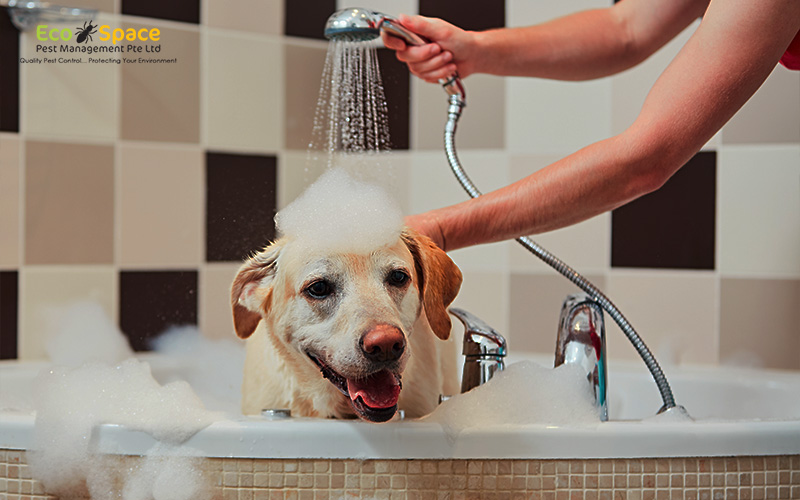
Before starting any treatment, consult your veterinarian to determine the most effective and safest product for your pet’s breed and age. Pairing these treatments with a consistent pet grooming routine boosts effectiveness and helps you catch fleas early in future.
4. Don’t Forget to Treat Your Home
Fleas don’t just live on your pet, they hide in carpets, curtains, cracks in floors, and furniture. Many pet owners make the mistake of treating the animal but forgetting to treat the home. Without addressing the environment, fleas can reinfest your pet within days.
If you’ve cleaned and treated your pet but still notice signs of fleas, it might be time for a professional pest control service. Experts use safe, targeted methods to eliminate fleas from all areas of your home, including hard-to-reach nesting sites. A one-time treatment may not be enough, your pest control partner can advise you on follow-ups and prevention.
5. Monitor Closely and Prevent Reinfestation
Even after you’ve treated your pet and home, fleas may return if any eggs survive. Continue vacuuming frequently and maintain a regular pet grooming routine to monitor for new fleas. You might want to place flea traps in hidden areas to detect activity early.
Prevention is key. Implement flea prevention tips such as keeping your garden tidy, sealing cracks and gaps in doors and windows, and avoiding contact with stray or untreated animals. If you suspect reoccurrence, consider a bed bug inspection as well, these pests can often coexist in hidden spots, especially in shared fabrics and crevices.
Keep Your Pets and Home Flea-Free with EcoSpace
A flea infestation can escalate quickly without proper care. By acting fast, treating both your pets and your environment, and maintaining good hygiene practices, you can break the flea cycle for good. If your flea issue persists, don’t hesitate to contact EcoSpace Pest Management for pest control tailored to homes in Singapore.
For expert advice or to schedule a treatment, visit EcoSpace Pest Management today. Don’t let fleas, and other hidden pests, take over your home. Whether it’s a flea outbreak or a case needing a bed bug exterminator, we’re ready to help restore peace to your household.