
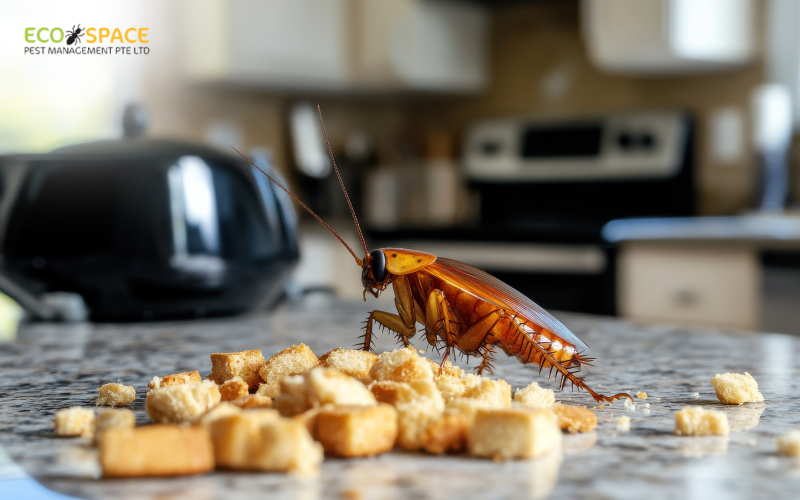
A recurring cockroach infestation is often a sign that the underlying causes have not been fully addressed. While cleaning, spraying, and treatment can reduce visible cockroach activity, hidden harbourage areas, moisture sources, food access, and untreated breeding sites may allow populations to recover over time. Understanding what attracts and sustains cockroaches is the first step towards achieving more effective, long-term pest control.
Key Takeaways
- Most recurring cockroach infestations are caused by hidden entry points or nests in your home environment.
- DIY methods may eliminate visible roaches but often fail to address the underlying source.
- Proper pest-proofing your home and identifying potential cockroach nest locations are vital for long-term control.
- A licensed cockroach exterminator can pinpoint hidden infestations and treat accordingly.
- Understanding what attracts roaches helps prevent future invasions and ensures lasting solutions.
What Attracts Cockroaches Into Your Home?
Food Sources
Cockroaches are attracted to easily accessible food, including crumbs, grease, food residue, uncovered leftovers, pet food, and overflowing rubbish bins. Even small amounts of food left on countertops, under appliances, or in kitchen cabinets can provide enough sustenance for cockroach populations to thrive. Maintaining good food storage and cleaning practices helps reduce these attractants.
Water and Moisture
Like all living creatures, cockroaches need water to survive. Leaking pipes, dripping taps, condensation, clogged drains, and damp areas under sinks create ideal conditions for cockroach activity. Moisture-rich environments are particularly attractive to species that prefer dark, humid spaces, making regular maintenance an important part of prevention.
Shelter and Warmth
Cockroaches seek out sheltered locations where they can hide during the day and breed undisturbed. Common harbourage areas include cracks in walls, gaps behind cabinets, cluttered storage spaces, appliance voids, and false ceilings. Warm indoor temperatures, combined with readily available food and water, create an environment where infestations can quickly become established.
Hidden Causes Behind Recurring Cockroach Infestations
Missed Entry Points and Gaps in Pest‑Proofing
Many homes, especially older HDB flats or condominiums, have unnoticed cracks, holes, and gaps around plumbing and piping. These small openings serve as easy entry routes for opportunistic roaches. Common access spots include the areas behind kitchen cabinets, around sink pipes, and floor drains. Air vents, rubbish chutes, and shared lift lobbies can also provide hidden access if not properly sealed or maintained. Without adequate pest-proofing your home, roaches can slip in repeatedly, even after a cockroach infestation seems resolved.
Hidden Nest Locations Within Walls or Appliances
Cockroach infestations often linger because the nest remains untouched. These pests nest in warm, dark, and moist zones: inside electrical appliances (fridges, microwaves), behind drywall, and under floorboards. Such cockroach nest locations are notoriously hard to detect without professional tools. In many cases, visible roaches are simply scouts, and eggs and juveniles continue developing behind walls. Treating only the surface leads to a false sense of resolution while the nest continues to replenish the population.
Insufficient Cleaning in Key Areas
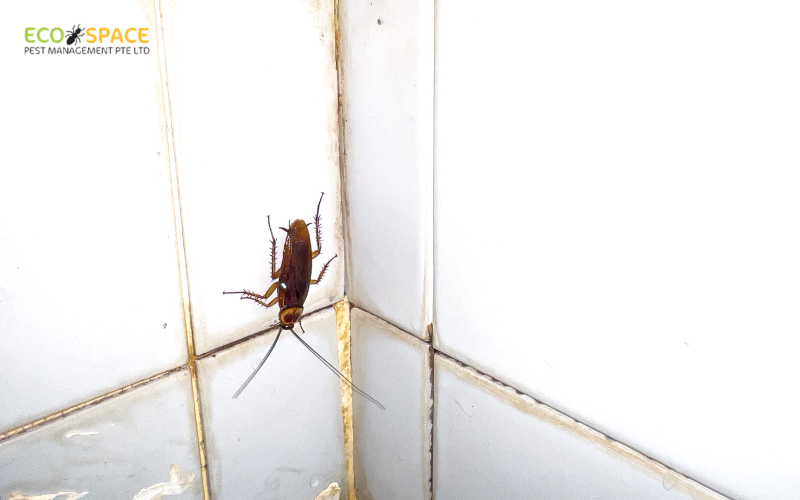
Even meticulous cleaners may miss areas where cockroaches thrive. Food crumbs and grease behind stoves, under cabinets, near dish racks, trash bins, and mop buckets are prime attractants. Roaches prefer dark, damp corners, spaces people rarely check. Failing to clean these zones regularly encourages roaches to establish or revisit the same areas, perpetuating a cockroach infestation.
Overuse or Incorrect Use of Insecticides
More spray doesn’t equal better control. In fact, excessive use of retail insecticides can backfire. Cockroaches may develop resistance to common chemicals, scatter into hidden cavities, or even lay more eggs in response. Incorrect application can also contaminate surfaces and pose health risks. Instead of relying on over-the-counter products, safe alternatives or residential pest control services using professional‑grade treatments are often more effective in ending a persistent cockroach infestation.
Neighbours’ Infestations in Shared Buildings
In multi-unit buildings like HDB flats or condominiums, your neighbour’s problem can become yours. Cockroaches can travel through plumbing pipes and electrical conduits between units. Even if your home is spotless, a cockroach infestation next door can cross over if common walls or vertical utilities aren’t properly sealed. Coordinated management or building-wide treatment may be necessary to prevent reinfestation.
Poor Waste Management and Food Storage
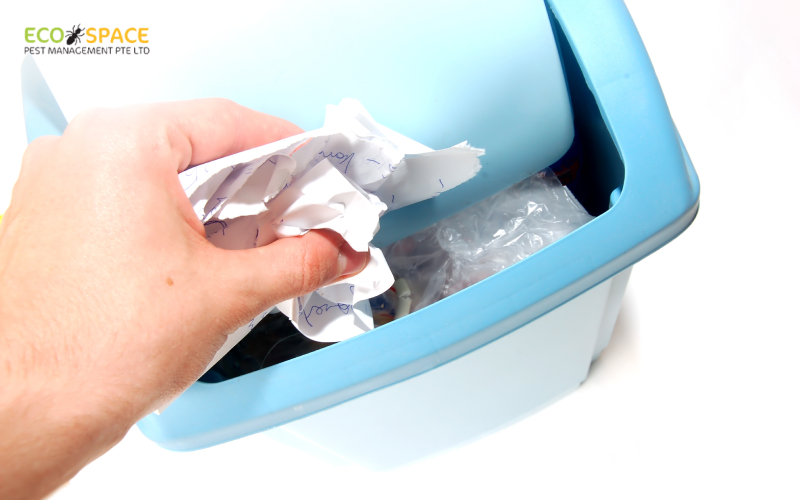
Open food storage and untidy rubbish bins are magnets for roaches. Leaving pet food exposed, storing grains in unsealed containers, or neglecting daily food spills invites pests indoors. Food debris in bins or recycling bins without lids can be just as inviting. Effective pest-proofing your home includes tightly sealed containers, sealed bin lids, and regular cleanup of kitchen and pantry zones to reduce temptation and interrupt the reproductive cycle of a cockroach infestation.
Lack of Follow-Up After Pest Control Treatment
A single treatment seldom eliminates an entire roach colony. Many eggs survive initial treatments and hatch days later. Without follow‑up inspections or maintenance, these newly hatched cockroaches will repopulate your space. Ongoing monitoring and maintenance plans, especially from licensed cockroach exterminator providers or residential pest control services, are essential to prevent recurring cockroach infestations.
Signs You May Have a Cockroach Infestation
Live Cockroach Sightings
Seeing live cockroaches, especially during the day, is often a strong indication of a growing infestation. Cockroaches are typically nocturnal and prefer to stay hidden, so daytime sightings may suggest that nesting areas have become overcrowded. Frequent sightings in kitchens, bathrooms, storage rooms, or food preparation areas should not be ignored and may warrant professional cockroach pest control in Singapore.
Cockroach Droppings
Cockroach droppings are one of the most common signs of infestation. Depending on the species, they may resemble black pepper, coffee grounds, or small cylindrical pellets. Droppings are often found inside cabinets, along skirting boards, behind appliances, beneath sinks, and near food storage areas where cockroaches regularly travel.
Egg Casings (Oothecae)
Cockroach egg casings, known as oothecae, indicate active breeding within the property. These brown, capsule-shaped structures may contain multiple eggs and are commonly found in hidden locations such as cracks, crevices, furniture joints, storage boxes, and behind kitchen equipment. Discovering egg casings suggests that the infestation may continue to grow if left untreated.
Shed Skins
As cockroaches develop, they shed their outer exoskeleton several times before reaching adulthood. Finding these discarded skins around cupboards, corners, utility areas, and other secluded spaces can indicate an established population. The presence of multiple shed skins often points to ongoing breeding and maturation activity within the premises.
Musty or Unusual Odours
A persistent musty odour can be a sign of a significant cockroach infestation. Cockroaches produce chemical secretions that create a distinctive smell, which may become more noticeable as infestation levels increase. In enclosed areas, this odour can linger and may even contaminate nearby surfaces, food items, or storage spaces.
Multiple Signs Appearing Together
While a single sign may not always confirm a major infestation, the presence of multiple indicators such as live sightings, droppings, egg casings, shed skins, and unusual odours often suggests a more established problem. Early identification and intervention can help prevent the infestation from spreading further and reduce the need for more extensive treatment later on.
Types of Cockroaches Commonly Found in Singapore
Effective cockroach control in Singapore begins with understanding the different species that commonly infest homes and commercial properties. While all cockroaches seek food, water, and shelter, each species has unique behaviours, preferred habitats, and infestation patterns. Identifying the type of cockroach involved can help determine the most appropriate treatment and prevention strategies.
How to Locate Cockroach Hiding Spots in Your Home
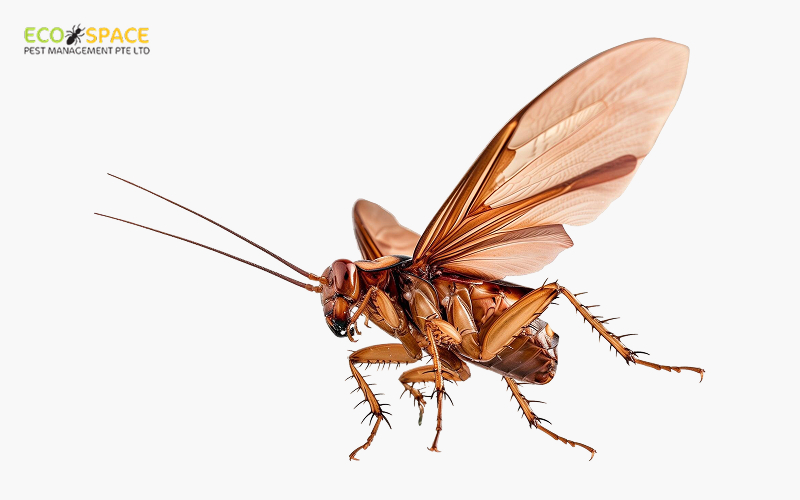
Using Sticky Glue Traps for Monitoring
Sticky glue traps can help identify where cockroaches are most active within your home. By placing traps near walls, under sinks, behind appliances, inside cabinets, and along suspected travel routes, you can monitor where cockroaches are entering, feeding, or nesting. Areas with higher trap activity often indicate nearby harbourage locations.
Using a UV Torch to Inspect Hidden Areas
A UV torch can help reveal signs of cockroach activity in dark or hard-to-reach spaces. During inspections, focus on areas behind refrigerators, beneath kitchen cabinets, around plumbing penetrations, and inside storage spaces. While cockroaches themselves may not always be visible, a UV light can make certain traces of pest activity easier to detect during a thorough inspection.
Looking for Droppings, Egg Casings, and Shed Skins
Physical evidence is often one of the most reliable ways to locate cockroach hiding spots. Look for droppings that resemble black pepper or coffee grounds, brown egg casings (oothecae), and shed skins near cracks, crevices, cabinets, and appliances. Finding multiple signs in a particular area may indicate that cockroaches are nesting or breeding nearby.
How to Seal Entry Points and Pest-Proof Your Home
Where to Inspect for Cockroach Entry Points
Cockroaches can enter through surprisingly small gaps and openings around the home. Inspect areas around doors and windows, plumbing penetrations, utility lines, air-conditioning trunking, electrical conduits, vents, floor drains, and cracks in walls. Kitchens, bathrooms, service yards, and storage areas are often the most common locations where pests gain access.
Materials That Help Block Pest Access
Several pest-proofing materials can be used to seal potential entry points. Caulk is useful for sealing small cracks and gaps around walls, pipes, and cabinetry, while expanding foam can fill larger voids around utility penetrations. Metal mesh can be installed over vents and drainage openings, and door sweeps help close gaps beneath doors where cockroaches and other pests may enter.
Key Areas to Check in HDB Flats
For HDB residents, certain areas deserve special attention due to the shared nature of the building environment. Floor traps, kitchen and bathroom drains, bin chute openings, service ducts, utility risers, and gaps along shared walls can all serve as pathways for cockroach movement between units. Regular inspection and maintenance of these areas can help reduce the likelihood of recurring infestations.
Natural and DIY Methods to Manage a Cockroach Infestation
Diatomaceous Earth
Diatomaceous earth is a fine powder made from fossilised aquatic organisms that can help control cockroaches when applied to areas where they travel. The powder damages the protective outer layer of the insect, causing it to lose moisture over time. It is commonly applied along skirting boards, behind appliances, and near suspected harbourage areas.
Boric Acid and Borax
Boric acid and borax are widely used DIY pest control products that can be effective when applied correctly. Cockroaches that come into contact with or ingest these substances may eventually die from their effects. Care should be taken when using these products in homes with children or pets, and applications should be limited to hidden areas inaccessible to occupants.
Essential Oils and Citrus Repellents
Certain scents, including peppermint, eucalyptus, citronella, and citrus extracts, may help deter cockroaches from specific areas. While these natural repellents can contribute to pest prevention efforts, they generally do not eliminate established infestations. They are best used alongside sanitation and exclusion measures.
DIY Bait Stations
Homemade bait stations can be used to attract and control cockroaches in areas where activity has been observed. By placing bait in strategic locations such as under sinks, behind appliances, and inside cabinets, homeowners may be able to reduce smaller populations. However, larger infestations often require more comprehensive treatment approaches.
Glue Traps for Monitoring
Glue traps are useful tools for monitoring cockroach activity and identifying areas where pests are most active. While they are not designed to eliminate entire infestations, they can help track population levels and determine whether other control measures are working. They are particularly useful for ongoing monitoring after treatment.
Insect Growth Regulators (IGRs)
Insect Growth Regulators, commonly known as IGRs, interfere with the development and reproductive cycle of cockroaches. Rather than killing adult cockroaches immediately, they help prevent immature cockroaches from reaching maturity and reproducing. This can help reduce infestation levels over time when used as part of a broader pest management strategy.
Why Roach Bombs and Foggers Are Not Recommended
Roach bombs and foggers are generally not recommended because they often fail to reach the cracks, crevices, and hidden harbourage areas where cockroaches spend most of their time. In some cases, these products may even cause cockroaches to disperse into new areas of the property, making the infestation harder to manage. For persistent infestations, a cockroach exterminator can identify the source of the problem and implement more targeted control measures.
Smart Prevention: Daily Habits That Keep Roaches Away
Cockroaches are highly skilled at locating food through scent. Dry goods such as rice, flour, cereals, sugar, pet food, and snacks should be stored in sealed containers rather than opened packaging. Proper food storage helps limit access to food sources and reduces the likelihood of attracting pests into kitchens and pantries.
Water is just as important as food for cockroach survival. Leaking taps, damaged pipes, condensation around appliances, clogged drains, and air-conditioning leaks can create ideal conditions for infestation. Regular maintenance and prompt repairs help eliminate moisture sources that support cockroach populations.
Cockroaches prefer warm, humid environments where moisture is readily available. Improving airflow through natural ventilation, exhaust fans, and dehumidification can make kitchens, bathrooms, and utility areas less attractive to pests. Reducing excess humidity also helps prevent conditions that encourage cockroach breeding.
Pet food can unintentionally attract cockroaches when left exposed for extended periods. Storing pet food in sealed containers and removing uneaten food after feeding times helps minimise access to food sources. Regular cleaning around feeding stations can further support pest prevention efforts.
The Role of Professional Pest Control in Long-Term Cockroach Management
While DIY prevention can significantly reduce the risk of a cockroach infestation, it may not be enough for long-term control, especially in high-density living environments or older properties with structural wear and tear. This is where professional pest control services becomes essential.
EcoSpace Pest Management uses eco-friendly pest control solutions tailored for Singapore homes. Their trained technicians carry out detailed site assessments to identify active cockroach nest locations, assess infestation severity, and highlight entry points that may be missed by the untrained eye.
Treatments often include a combination of insecticidal gel baits, slow-acting poisons that roaches consume and carry back to the nest, affecting the entire colony. Additionally, Insect Growth Regulators (IGRs) are applied to disrupt the roach reproductive cycle, preventing eggs from hatching.
Targeted use of NEA-approved spray treatments may be used in cracks, crevices, and high-risk areas, followed by monitoring with bait stations and glue traps. These approaches are child- and pet-safe and align with eco-conscious living standards.
What sets professional services apart is the follow-up strategy. Recurring inspections, monitoring of traps, and updating treatment zones help ensure the infestation doesn’t rebound after a few weeks.
Professional cockroach exterminators also provide practical advice on structural repairs and lifestyle adjustments specific to your living space. By combining technical treatments with homeowner awareness, long-term success in pest control becomes achievable.
Frequently Asked Questions
Why do cockroaches keep coming back even after spraying?
Because they may be hiding in inaccessible nest zones or have developed resistance to common sprays. Also, untreated eggs can hatch weeks later, perpetuating a new cockroach infestation.
How do I know if the infestation is coming from a neighbour?
If you maintain cleanliness and sealed entry points but still see roaches, they might be crossing through shared pipes or walls. A block-wide intervention may be needed.
Can cockroaches live inside electrical appliances?
Yes. Warm, dark interiors of microwaves, fridges, and circuit boards provide ideal conditions for nesting and egg‑laying.
Are DIY cockroach traps effective?
They may catch a few roaches but do not eliminate a full infestation. They are better used for monitoring or confirming presence rather than resolving a major outbreak.
What’s the most effective treatment for recurring cockroach infestations?
Integrated pest management that includes inspection, entry-point sealing, targeted applications, follow‑ups, and support from a certified cockroach exterminators or residential pest control services.
Why does my cockroach infestation keep coming back after treatment?
A cockroach infestation can return if the underlying causes, such as food sources, moisture issues, harbourage areas, or entry points, have not been fully addressed. While treatment can reduce or eliminate active populations, cockroaches may re-establish themselves if favourable conditions remain. Ongoing sanitation, monitoring, and exclusion measures are important for long-term control.
Do roach bombs work for a cockroach infestation?
Roach bombs and foggers may kill some exposed cockroaches, but they are generally ineffective against hidden infestations. Most cockroaches spend their time inside cracks, wall voids, drains, and concealed harbourage areas where fogging products may not reach. In some cases, these products can cause cockroaches to spread into new areas, making the infestation more difficult to manage.
How long does it take to fully eliminate a cockroach infestation?
The time required depends on the severity of the infestation, the cockroach species involved, and the treatment methods used. Smaller infestations may be controlled within a few weeks, while larger or well-established infestations can require multiple treatments and follow-up monitoring. In larger premises requiring specialised pest control treatment for buildings, the process may take longer due to the size and complexity of the environment.
Why Recurring Cockroach Infestations Persist and How to Stop Them
Recurring infestations is not just a nuisance, it’s a sign that underlying factors remain unresolved. From hidden nest sites to incomplete pest-proofing, improper treatment, and shared wall transmission, multiple factors can perpetuate the problem. While surface cleaning and DIY sprays may temporarily suppress roaches, lasting results require a multi-pronged, professional approach.
EcoSpace Pest Management offers targeted and sustainable solutions for lasting cockroach infestation control in Singapore homes. Their licensed cockroach exterminator technicians assess properties deeply, seal hidden entry points, treat nests directly, and provide ongoing service. With a combination of pest control services, tailored monitoring, and resident education on pest-proofing your home, they can help you regain a roach-free environment.
Don’t live with recurring infestations. Schedule a full cockroach inspection with EcoSpace Pest Management today and take the first step toward a healthier, pest-free home. Contact us through our website for a tailored treatment plan and ongoing prevention programme.
 EcoSpace Pest Management Pte Ltd