
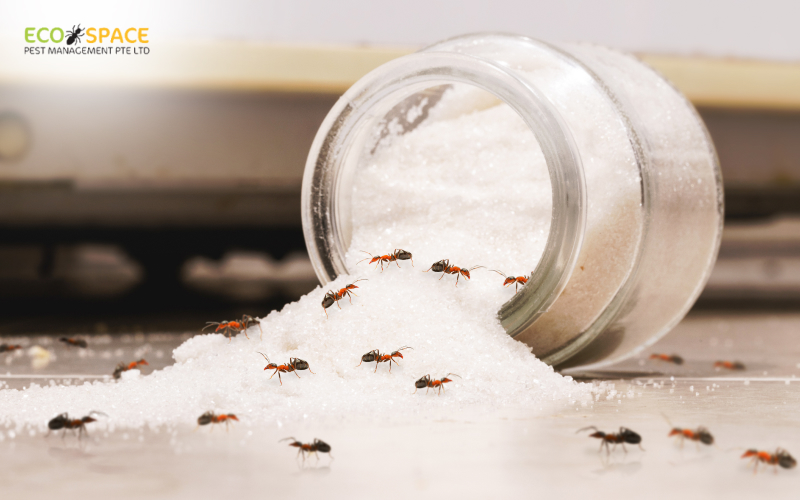
Ants may be small, but when they invade your home, they can quickly become a persistent problem. In Singapore’s tropical climate, ants thrive year-round, often drawn indoors by food residue, sugary spills, and moisture. Understanding how to get rid of ants effectively begins with removing what attracts them, disrupting their scent trails, and blocking their entry points using safe, practical methods. Many homeowners today prefer solutions that are safe for children, pets, and the environment, which is why natural and eco-friendly approaches are increasingly popular.
Instead of relying solely on conventional insecticides, sustainable strategies such as proper hygiene, natural repellents, and sealing access points can provide lasting results. For more persistent infestations, combining these methods with professional ant control services in Singapore ensures a more complete and targeted solution. In this guide, we explore effective, environmentally responsible ways to manage ant activity, along with practical prevention strategies suited for homes in Singapore.
Key Takeaways
- Discover natural and non‑toxic methods to get rid of ants.
- Learn how to prevent ant infestations without harming the environment.
- Identify common causes of indoor ant problems in Singapore homes.
- Explore sustainable products and DIY solutions that are pet‑ and child‑safe.
- Know when it’s time to call in professional eco‑friendly pest control services such as EcoSpace Pest Management.
Sustainable Ant Prevention Tips for Your Home
Seeking out how to get rid of ants the sustainable way doesn’t mean compromising on effectiveness. Here are ten methods that are safe, affordable, and environmentally responsible:
Use White Vinegar Spray to Disrupt Trails
White vinegar is a simple yet powerful component of natural ant control. It breaks down the scent trails that ants lay to guide their fellow workers back to food sources. To use it, mix equal parts white vinegar and water in a spray bottle. Shake well and spray along ant trails, skirting boards, countertops, and around door frames. Spraying disrupts their communication and causes confusion. For persistent trails, you can reapply every day or two. This method offers a quick, non‑toxic way to get rid of ants without harming pets or people. It’s not only effective but also safe for homes with kids and pets, aligning with principles of eco-friendly pest control.
Apply Diatomaceous Earth
Diatomaceous earth (DE) is a natural powder made from fossilised remains that helps disrupt ant activity through dehydration. It is widely used in natural ant control and is often included in home remedies for ants due to its low-toxicity profile. When considering how to eliminate ants, this method works by affecting ants as they move through treated areas.
Lightly apply food-grade DE near entry points, under appliances, or along common trails to support ways to stop ants from spreading. It can also help with how to remove ants from home environments when used consistently alongside cleaning and sealing measures. As part of broader ant infestation solutions, keeping the powder dry improves its effectiveness and supports long-term ant prevention tips.
Seal Entry Points and Cracks Naturally
Ants often sneak into homes through tiny cracks in walls, door thresholds, and floor tiles. To address this sustainably and learn how to get rid of ants, use non-toxic sealants or silicone-based caulks to close off their access routes. Focus on gaps near water pipes, the kitchen sink, and around windows. Silicone sealant forms a durable barrier that both blocks ant entry and helps prevent moisture build-up. This method reduces reliance on sprays and bait, and helps prevent future ant infestations by eliminating entry paths with ant pest control.
Use Essential Oils (Peppermint, Eucalyptus or Tea Tree)
Essential oils provide a fragrant, eco‑friendly defence against ants. Oils like peppermint, eucalyptus, or tea tree have strong scents that ants find repulsive. To make a spray, add 10–15 drops of your chosen essential oil to a cup of water in a spray bottle. Shake well and spritz it along ant entry points, under sinks, window frames, and pantry corners. Not only does this help get rid of ants, but it keeps your home smelling fresh. Oils should be used sparingly around children and pets to avoid skin or mucous membrane irritation.
DIY Sugar & Borax Baits (Used Sparingly)
A more targeted method that teaches how to get rid of ants sustainably is to use sugar‑borax baits. Mixing sugar and borax in a 3:1 ratio attracts ants with sweetness while the borax kills adult workers. Place the mixture in small, shallow lids in discreet locations, such as behind the fridge or near ant trails. The ants take the bait back to the colony, eventually breaking the infestation cycle. Use this method sparingly and out of reach of pets. Despite natural foods in the recipe, borax can be harmful to humans and animals in large doses.
Maintain a Clean and Dry Environment
Ants are attracted to crumbs, grease, and moisture. One of the most crucial steps to get rid of ants sustainably is to maintain impeccable hygiene. Wipe kitchen surfaces after cooking, keep food spills immediately cleaned up, and store bins with tight‑fitting lids. Fix any leaky taps or pipes promptly to remove moisture that draws ants indoors. A dry and spotless environment removes temptations, deters foraging ants, and prevents new ant infestation remedies from being needed too frequently.
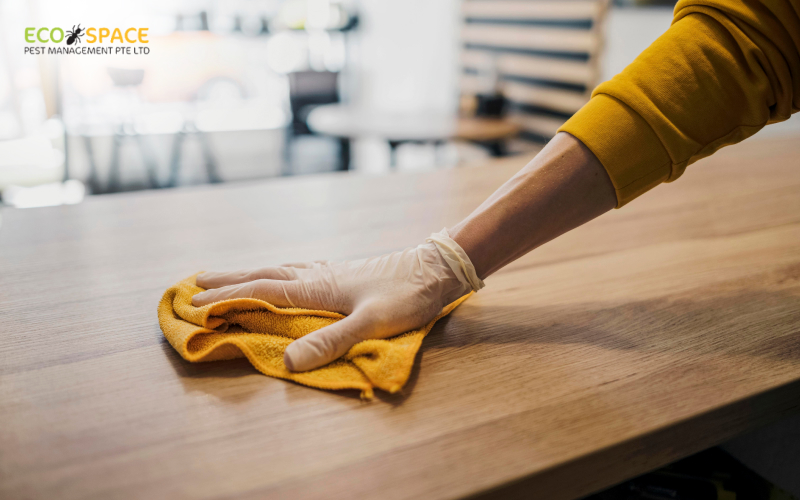
Even if you don’t leave crumbs around, sugary residues, oil splatters, or sweet drink spills can attract ants. Regularly wiping down kitchen surfaces, sweeping floors, and keeping trash bins sealed can dramatically reduce your chances of an infestation. This habit also complements eco-friendly pest control methods, as it minimises the need for harsh chemical interventions.
Ants, especially certain species like the Pharaoh ant, are drawn to moisture. Leaky pipes under the sink or damp bathroom corners can become ant hotspots. Fixing these water sources quickly not only helps prevent ants but also reduces the likelihood of other pests like cockroaches, silverfish, and termites.
Use Coffee Grounds as a Natural Barrier
Used coffee grounds (cooled after brewing) can be repurposed as a natural barrier in an eco‑friendly ant control strategy. Ants dislike the coarse texture and residual oils in the grounds. By scattering them along known ant trails, entry points, and balcony perimeters, you can discourage ants from entering your home. It’s a sustainable use of waste and a garden‑safe solution. This technique contributes to your broader efforts to get rid of ants without synthetic chemicals.
Try Lemon Juice or Citrus Peels
Citrus acidity helps disrupt ant scent trails and acts as a mild deterrent in natural ant control. For homeowners exploring home remedies for ants, applying fresh lemon juice along baseboards or entry points can help reduce visible activity. This approach is commonly used when learning how to eliminate ants without relying on chemical sprays.
Citrus peels can also be placed near entry points as part of simple ways to stop ants from returning. While this method alone may not fully resolve infestations, it contributes to ant infestation solutions and supports how to remove ants from home when combined with proper cleaning and sealing practices. These techniques also reinforce practical ant prevention tips for long-term control.
Store Food Properly and Organise Pantry Items
Improper food storage allows ants to detect sugary or oily pantry items. Learning how to get rid of ants sustainably involves blocking their food sources. Use airtight containers, especially for cereals, biscuits, sugar, and rice, and clean up any food spills promptly. Organise pantry items and regularly empty crumbs or spilled packets. This habit reduces the attraction for ants and complements other methods like vinegar spray and sealants.
Introduce Natural Predators (If Practical)
This method suits homeowners with outdoor space, such as landed properties in Singapore. Certain harmless garden insects, or even geckos, can help reduce outdoor ant populations. Predators such as ant‑eating spiders or small insectivorous lizards can supplement your natural ant control efforts. While not suitable for indoors, thoughtful landscaping that supports beneficial wildlife can be part of a sustainable strategy to get rid of ants around your home’s perimeter.
Sustainable Pest Prevention Tips
Combine Methods for Greater Effectiveness
For long-term success to get rid of ants, combining multiple sustainable strategies is crucial. Use vinegar spray and essential oils to disrupt trails, seal cracks to block entry, and maintain cleanliness to remove attractions. Rotate between methods occasionally, for instance, alternating vinegar and essential‑oil spray—to prevent ants from becoming accustomed. Reinforce efforts regularly by checking for new trails or crumbs and reapplying jarred baits or DE. Consistent combination delivers stronger results in preventing ant infestation and avoiding a single‑method breakdown.
Avoid Overuse of Commercial Insecticides
Overreliance on chemical insecticides can drive ants deeper into walls or even scatter colonies to other parts of the home. Aiming to get rid of ants with harsh pesticides may seem fast, but it often backfires. Moreover, chemical residues pose risks to your health and the ecosystem. Instead, favour natural ant control and eco‑friendly pest control methods, so your home remains safe while providing sustainable results.
When to Call EcoSpace Pest Management
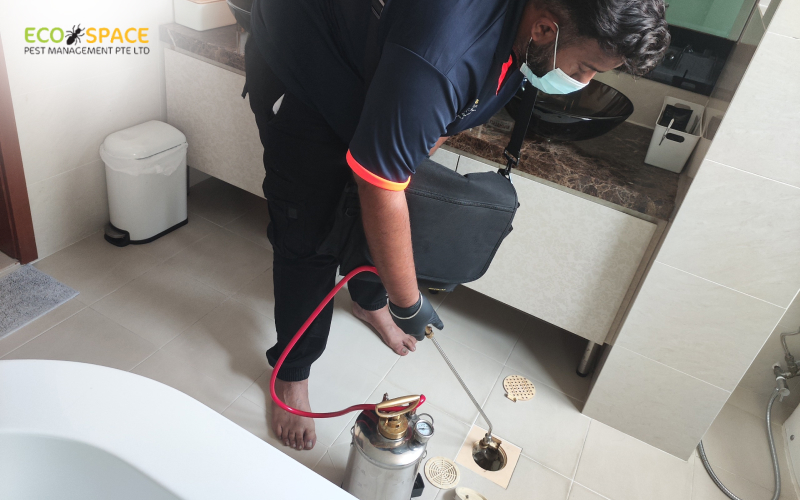
If ants keep returning despite your best efforts, it may be time for professional help. But not just anyone, look for companies in Singapore that offer eco-friendly pest control solutions. EcoSpace Pest Management offers expert ant-control solutions in Singapore. Their team uses eco-friendly techniques that target colonies securely and preserve your home environment. They provide customised assessments and targeted treatments, quiet, low-impact, and humane. Choosing professional pest control services, including engaging an experienced ant exterminator, ensures a thorough approach where DIY methods fall short, especially for persistent or large-scale ant infestation remedies.
Frequently Asked Questions
Are essential oils safe to use around kids and pets?
Yes, when diluted properly in water spray, essential oils like peppermint or tea tree can be safe and effective to get rid of ants. However, avoid spraying directly onto surfaces where food is prepared or ingested, and never allow pets to ingest undiluted oil.
How long does it take for natural ant remedies to work?
Some methods, such as vinegar or lemon juice sprays, provide immediate disruption of ant trails. Others, like sugar‑borax baits or diatomaceous earth, may take several days to significantly reduce the colony’s numbers.
Can I use diatomaceous earth indoors?
Yes, you can use food‑grade DE safely indoors, ideally in dry, low‑traffic areas like under cupboards. Be careful to avoid inhaling the powder by wearing a mask, and sweep up any residue after a few days once it’s done its work.
Why do ants keep coming back to my kitchen?
Even tiny crumbs or a droplet of juice can draw ants back repeatedly. Regular cleaning, sealing of cracks, and removing food access are essential to break the cycle of infestation.
What’s the most eco‑friendly method for heavy infestations?
A combination of sugar‑borax baits, vinegar or lemon sprays, and maintaining a clean environment practices is effective. If ants persist, contact EcoSpace Pest Management for eco‑friendly professional intervention tailored to your home.
Conclusion
Ants may be persistent guests in Singapore homes, but you don’t need strong chemicals to keep them at bay. Learning how to get rid of ants using natural, sustainable methods is both effective and mindful of the environment. By employing vinegar sprays, diatomaceous earth, essential oils, sealing gaps, and keeping surfaces clean, you can significantly reduce or eliminate ant activity in your home. Storing food securely, using coffee grounds, and allowing natural predators outdoors all add durable layers of protection.
If your ant problem persists despite these measures, don’t hesitate to seek professional help. EcoSpace Pest Management specialises in ant-control in Singapore using green methods that align with eco‑friendly living. Their pest control services combine assessment, treatment, and prevention to tackle ant infestation effectively. Whether you’re dealing with kitchen ants, trails in your pantry, or a stubborn colony, their approach is safe, sustainable, and effective.
Ready to take action? Visit EcoSpace Pest Management today to schedule an eco-conscious ant control consultation or inspection. With the right strategy, your Singapore home can remain ant‑free the sustainable way. Let’s help you master how to get rid of ants, for good.
 EcoSpace Pest Management Pte Ltd