
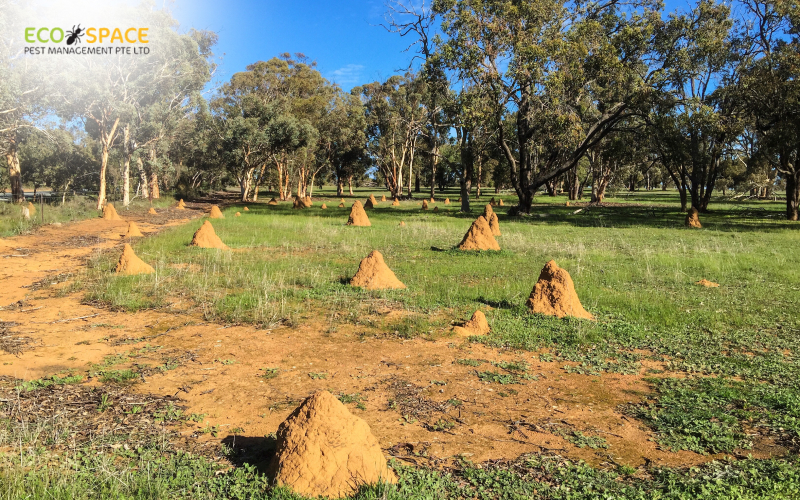
Termite infestation in Singapore is a widespread and often underestimated issue, affecting thousands of homes and businesses across the island. The country’s consistently warm and humid climate creates the perfect breeding ground for termites, allowing them to thrive unnoticed. Whether you live in a landed property, a condominium, or an HDB flat, termite threats are very real.
These silent destroyers don’t just chew through wood, they compromise structural foundations, ruin furniture, and create extensive damage before you even realise they’re there. In this comprehensive guide, we’ll walk you through the signs of termite infestation, explore the most effective white ant treatment options, and share practical strategies for long-term prevention, all tailored to Singapore’s unique urban environment.
Key Takeaways
- Singapore’s tropical climate encourages fast-growing termite colonies.
- Termite infestation and damage are often hidden and only discovered after it’s extensive.
- Mud tubes, discarded wings, and hollow wood are key warning signs.
- White ant treatment options include baiting, dusting, and anti-termite treatment.
- Prevention is possible through regular inspections and moisture control.
- Termite specialists offer customised solutions for lasting protection.
What Causes and Contributes to Termite Infestation in Singapore?
Why Termites Thrive in Singapore
Singapore’s tropical weather, marked by high humidity and temperatures above 27°C all year, creates an ideal environment for termite infestation in Singapore. The abundance of rainfall keeps the soil moist, which is exactly what subterranean termites need to nest and build colonies.
In addition, our high urban density means that termite problems in one property can quickly spread to adjacent buildings. Condos, HDB units, and terrace houses often share walls, foundations, or utility lines, turning one infestation into a neighbourhood-wide issue.
Even modern buildings aren’t safe. Termites don’t distinguish between old and new, untreated timber, poorly sealed piping, and damp corners in any property make perfect targets.
How Termites Enter and Spread in Properties
Termites are expert infiltrators and can gain access to a property through multiple, often overlooked, entry points. Understanding how these pests make their way indoors is critical to preventing a termite infestation from taking hold.
Cracks in Concrete Slabs or Walls
Even the tiniest gaps in your building’s foundation, walls, or flooring can become access routes for termites, especially subterranean species. These cracks may form naturally over time due to settling, temperature fluctuations, or structural pressure. Termites are able to detect changes in humidity and temperature through these cracks and instinctively follow the path toward food sources like wooden beams, skirting boards, or even cardboard boxes stored indoors.
Soil-to-Wood Contact
When wooden parts of a home are in direct contact with the ground, it creates a highway for termites to enter without resistance. Examples include timber garden decking, fence posts, trellises, or planter boxes. Even wooden pallets or steps placed directly on the soil provide termites with immediate access to cellulose-rich materials. Over time, these entry points enable the colony to extend deeper into your home or building undetected.
Plumbing and Air-Con Trunking Routes
Moisture-laden environments such as bathrooms, kitchens, and utility areas attract termites, and these pests often use the gaps around pipes, wiring, or air-conditioning trunking to navigate. In multi-storey residences like HDBs and condominiums, termites may travel vertically along trunking lines or wall voids, spreading from unit to unit through these concealed channels.
Second-Hand Wooden Items or Potted Plants
Wooden furniture, especially older or antique items, can harbour drywood termites. Unlike subterranean termites, drywood species live inside the wood they infest, and their colonies can go unnoticed for years. When such items are brought into a home, they can introduce termites to an entirely new structure. Similarly, potted plants brought from outside may carry termites in the moist soil or wooden containers, acting as a hidden source of infestation.
These entry methods are rarely obvious to the untrained eye, which is why so many termite infestation cases remain undetected until damage becomes severe. Taking proactive steps to seal, elevate, and inspect vulnerable areas is crucial to keeping termites out.
Types of Termite Infestations Found in Singapore
Three main types of termites contribute to termite infestations:
Subterranean Termites

These are by far the most common and destructive termites in Singapore. Subterranean termites live in underground colonies that can house millions of individuals. They build complex networks of tunnels, sometimes extending over 100 metres, to reach food sources like wooden flooring, beams, and panelling. These termites rely heavily on moisture, which is why they’re frequently found in soil-rich environments or homes with poor drainage. Once inside, they consume wood from the inside out, making detection difficult until the structural integrity of a wall, floor, or ceiling is compromised. Their presence is often first detected through mud tubes, which they build to protect themselves from light and dehydration as they travel from the ground to the food source.
Drywood Termites

Unlike subterranean species, drywood termites do not require contact with soil to survive. They live entirely within the wood they infest, forming much smaller colonies, usually in pieces of furniture, picture frames, or door frames. Because of their small colony size and discreet nature, drywood termites can go unnoticed for years. They enter homes through infested wood or during swarming season, when reproductive termites (alates) fly into properties and start new colonies in dry wood. Common signs of infestation include small pinholes in wood surfaces, the presence of frass (which looks like fine sand or coffee grounds), and weakened or brittle timber. Treatment often requires highly targeted action such as localised foam injections or complete furniture replacement, depending on severity.
Dampwood Termites

These termites are less commonly encountered but can still be a concern in properties with persistent moisture issues. As their name suggests, dampwood termites favour wood that is water-damaged, decaying, or constantly exposed to high humidity. They are typically found in rotting window frames, under leaking roofs, or around plumbing that hasn’t been properly sealed. Though their colonies tend to be smaller and more localised, dampwood termites can still cause serious damage if left unchecked. Their presence may indicate a larger issue with the home’s moisture control, making them both a pest and a red flag for deeper maintenance problems.
By accurately identifying the species involved, termite control specialists can tailor the treatment approach, ensuring full eradication and lowering the chances of reinfestation. It also informs the type of monitoring and prevention strategy needed, whether that involves bait systems, moisture control, or replacing compromised timber.
Factors That Increase Risk in Homes
Certain architectural and maintenance practices make a home more prone to infestation. These include:
- Lack of anti termite treatment during construction.
- Using untreated or reclaimed wood in renovations.
- Leaky pipes or poor ventilation that promote moisture buildup.
- Cluttered storage areas that are difficult to inspect.
- Even potted plants placed indoors or in patios can harbour termite colonies in the soil, providing an easy gateway for a widespread termite infestation.
Identifying, Treating, and Preventing Termite Infestation in Singapore
Early Warning Signs of Termite Infestation
Detecting termite infestation early can prevent tens of thousands in damages. Be vigilant for these red flags:
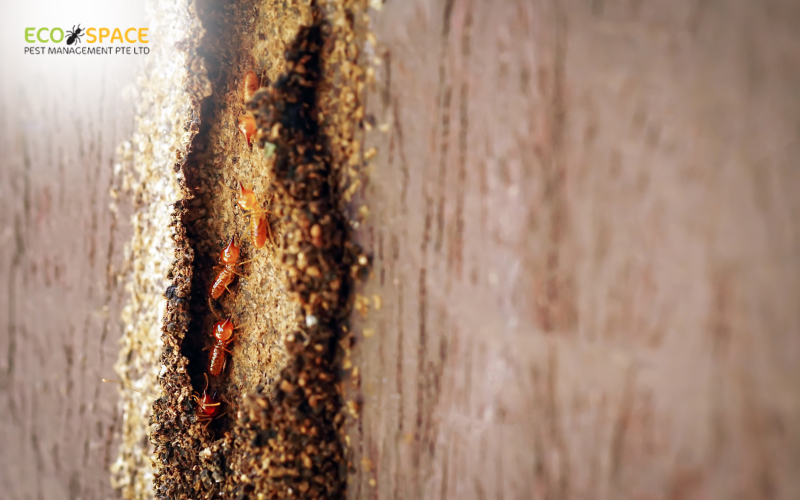
- Mud Tubes: Thin, brown tubes running along walls or skirting boards.
- Hollow-Sounding Wood: Knock on your walls or floors; a hollow sound indicates internal damage.
- Discarded Wings: Found near windowsills or doorways, especially after heavy rain.
- Swarming Termites: Small winged insects flying around lights in the evening.
- Pinholes in Wood or Wallpaper: Often a sign of drywood termite activity.
- Frass (Droppings): Small, pellet-shaped waste that looks like coffee grounds.
These signs are typically the first visual clues of a larger termite infestation that’s already underway behind the scenes.
Common Problem Areas in Singaporean Homes
Certain parts of a home are more vulnerable to termite activity. Focus your inspections on:
- Wooden skirting boards, doors, and furniture.
- Bathrooms and kitchens with plumbing, especially under sinks.
- False ceilings and air-conditioning trunking.
- Storage spaces with poor ventilation.
- Outdoor timber structures like sheds or pergolas.
By understanding where termites hide, you increase your chances of catching them before it escalates.
Proven Termite Treatment Methods in Singapore
When signs of termite infestation appear, swift action is key. The most effective termite control strategies include:
Baiting Systems
These are installed in soil or hidden corners. They contain cellulose material laced with insect growth regulators. Worker termites carry the poison back to the colony, eventually wiping it out.
Soil Barrier Treatment
This is a powerful termites treatment Singapore method where termiticides are applied in the soil surrounding the structure to block entry points.
Dust and Foam Applications
Especially effective against drywood termites, these penetrate tight areas like timber panels or false ceilings.
Spot Treatments for Furniture
A good option for localised infestations, particularly in antique or decorative wooden furniture.
Only certified termite specialists can recommend the right mix of treatments after a thorough inspection. Attempting to treat a termite infestation without expertise often leads to colony relocation and recurrence.
What to Know About DIY Termite Control
Some homeowners attempt to manage termite problems on their own. However, termite infestation typically requires professional intervention. Here’s why:
- Supermarket sprays only kill surface termites and don’t reach the nest.
- Home remedies like vinegar, salt, or borax are ineffective against established colonies.
- DIY often results in the colony simply relocating to another area within the same property.
- Pest control professionals use equipment like thermal sensors, moisture meters, and borescopes to locate termites behind walls and under floors.
If you’re facing a termite infestation, don’t leave it to chance, hire termite specialists for guaranteed results.
Best Practices for Long-Term Termite Prevention
Preventing termite infestation requires an integrated approach. Here are some key steps:
Control Moisture
Fix leaks promptly, improve drainage around foundations, and use dehumidifiers in high-humidity areas like bathrooms or storerooms.
Inspect Regularly
Check wooden furniture, baseboards, and ceilings every few months. Watch for tiny holes or bubbling paint.
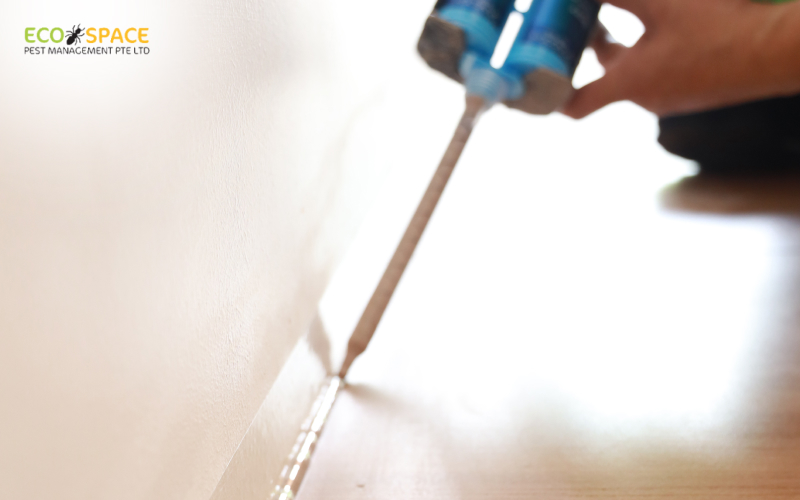
Seal Cracks and Gaps
Close up any entry points in walls, roofs, or floors to block termite access.
Limit Wood-to-Soil Contact
Raise garden beds and use concrete bases for outdoor timber furniture.
Choose Treated Wood
Use only chemically-treated or naturally resistant wood types when building or renovating.
Book Annual Termite Inspections
Professional checks once or twice a year can detect early-stage termite infestation. Companies offering termite control provide maintenance plans that include regular monitoring.
Frequently Asked Questions (FAQs)
How fast can a termite colony cause damage?
A mature colony can cause substantial damage within 3 to 6 months of undetected activity. Additionally, because termites feed continuously, structural weakening can escalate rapidly, potentially leading to safety hazards if not addressed promptly.
Is termite activity constant in Singapore?
Yes. Unlike temperate climates where cold winters slow termite activity, Singapore’s consistent warmth ensures that termites are active 365 days a year. Since there is no dormancy period, ongoing vigilance and prevention efforts are essential to minimise termites.
Can I use insecticide to solve the problem?
While you can detect surface signs like mud tubes, frass, or hollow-sounding wood, most termite activity happens behind the scenes. For a full assessment, including hidden colonies, calling in professional termite specialists is the safest and most reliable route.
What’s the best treatment for HDB flats or condos?
Baiting systems or dust treatments are ideal, as they’re non-invasive and effective in multi-unit buildings.
How often should I inspect my property?
Annually at minimum. If your home has experienced infestation before or is located near gardens or woodlands, inspect every six months.
Conclusion
Termite infestation is not just a possibility, it’s a frequent reality for property owners across the country. The climate, combined with high-density housing and modern construction practices, creates the perfect storm for termite activity. However, with early detection, effective treatment, and consistent prevention, you can protect your investment and avoid costly damage.
At EcoSpace Pest Management, we provide targeted, eco-friendly, and highly effective pest control services in Singapore. From initial inspection to ongoing monitoring, our termite specialists offer customised solutions to suit your property’s unique needs. Whether you need a full anti-termite treatment or simply want expert advice, we’re here to help.
Don’t wait for damage to become visible. Contact EcoSpace Pest Management today to schedule your comprehensive termite inspection with a trusted pest exterminator Singapore residents rely on. Your peace of mind starts with proactive protection.
 EcoSpace Pest Management Pte Ltd
[…] unchecked, termites can compromise flooring, beams, and furniture. Moreover, termite infestations can spread fairly quickly, making it crucial to schedule routine inspections if your home contains […]