

To get rid of rats in Singapore, combine three things: cut off their food and water through strict sanitation, seal the gaps they enter through, and remove the active population with traps or professionally placed bait stations. Rats can slip through a gap of around 1.5 cm and breed extremely fast, so a single sighting usually means more are hidden nearby. For anything beyond an early, isolated problem, a professional rat exterminator is the reliable way to clear the infestation at its source and keep it from returning. This guide explains how to recognise, remove and prevent rats, what a professional does, and roughly what treatment costs in Singapore.
Key Takeaways
- Rats are a serious urban problem in Singapore. According to the National Environment Agency, more than 1,000 enforcement actions for rat-related lapses were taken in 2024, almost double the whole of 2023.
- The three species you are most likely to meet here are the Norway rat, the roof rat and the house mouse, and correct identification shapes the right treatment.
- Effective control is an integrated approach: sanitation to remove food, exclusion to seal entry points, and trapping or baiting to remove the population. No single tactic works alone.
- Rats breed rapidly and are cautious and intelligent, which is why DIY efforts often stall and infestations return.
- A professional rat exterminator in Singapore inspects, identifies the species, places traps or tamper-resistant bait stations safely, and advises on proofing and sanitation, with follow-up to confirm the problem is cleared.
Why Rats Are a Problem in Singapore
Rats are far more than an unpleasant sight. They are known carriers of diseases such as leptospirosis and salmonella, they contaminate food and surfaces with droppings and urine, and they gnaw constantly, damaging cables, insulation and water pipes. Because rats chew to keep their teeth from overgrowing, electrical wiring is a frequent target, and damaged insulation raises the risk of short circuits and fire, a particular concern in older buildings and in ceiling voids where rats nest.
The problem is amplified by how we live. Singapore’s dense, built-up environment gives rats abundant shelter in drains, bin centres, rubbish chutes, roof spaces and wall voids, and our warm, humid climate supports year-round activity. Regulators have responded with tighter enforcement. The scale of that enforcement, more than a thousand actions in a single year, tells you how common rodent lapses are, especially around food premises and waste handling, and why proactive control matters for both households and businesses.
Exceptional Memory and Learning Skills
Rats possess remarkable spatial memory and can memorise complex routes through buildings, wall cavities, and plumbing systems. In fact, once they discover a safe path, they will continue to use it. They also quickly learn from their environment. If a rat survives a trap, it will remember the danger and avoid it in the future. Rats can distinguish between new and old objects (neophobia), which is why trap placement and bait rotation are critical in ongoing pest control.
Why it matters: To successfully get rid of rats, avoid setting the same type of trap in the same location for too long. Rotate both bait type and trap position every 3–5 days to outsmart their learning curve.
Rapid Breeding Cycle
Rats reproduce with alarming speed. A female rat can become pregnant as early as five weeks old and produce up to 12 pups per litter, with 5 to 7 litters per year. One pair of rats can multiply into over 2,000 offspring annually under ideal conditions. A seemingly minor rat problem can escalate to a full-blown infestation within weeks if left unchecked.
Why it matters: Immediate action is crucial. If you’re learning how to get rid of rats, you must not only eliminate visible rats but also disrupt breeding and nesting areas. Even spotting a single rat means you’re likely already dealing with a much bigger population.
Highly Sensitive to Scent and Sound
Rats communicate through high-frequency sounds and have a heightened sense of smell. This is why scent-based repellents (like peppermint oil or ammonia) can be effective short-term deterrents. Dirty laundry, food odours, and even pet food can attract rats from surprising distances.
Why it matters: Any approach focused on how to get rid of rats should include scent neutralisation and odour management—especially in kitchens, rubbish bins, and pet feeding areas.
Strong Chewers and Adaptable Invaders
Rats have incredibly strong teeth that can gnaw through plastic, wood, aluminium, and even cement. They can also squeeze through gaps as small as 1.5 cm, climb walls, and swim up sewer pipes.
Why it matters: Physical exclusion is key when considering how to get rid of rats. Use steel mesh, cement, and tightly fitted covers. Never underestimate even the smallest entry points.
Signs You Have Rats
Rats are nocturnal and secretive, so most people notice the evidence before they see the animal. Watch for these signs of a rodent infestation:
- Droppings. Small, dark, spindle-shaped pellets in kitchens, storerooms and along walls are one of the clearest signs of activity.
- Gnaw marks. Fresh chewing on wood, wires, plastic and packaging.
- Runways and grease marks. Rats follow the same routes and leave smudges or dark grease streaks along skirting and walls.
- Scratching or scurrying noises. Sounds behind walls or ceilings at night, when rats are most active.
- Burrows and nests. Holes in soil, under floorboards or near refuse areas, and shredded nesting material in quiet corners.
- A musky, stale odour. A persistent smell can point to a hidden nest.
- Live sightings. Seeing even one rat, particularly in daylight, often signals an established population.
Signs You Have Rats
Recognize the signs early before a small pest problem becomes a full-scale infestation.
1. Spindle-Shaped Droppings
Small, dark pellets found in kitchens, storerooms, and along walls.
2. Fresh Gnaw Marks
Chewed wood, exposed wires, plastic, and food packaging.
3. Runways & Dark Grease Marks
Rats follow the exact same paths along skirting boards and walls.
4. Scratching & Scurrying Noises
Clatter or movement heard inside walls, ceilings, or floorboards.
5. Burrows & Nesting Material
Holes dug into soil, beneath floors, or near refuse containers.
6. A Persistent Musky Odor
A stale, heavy scent that lingers in certain rooms.
7. Daytime Live Sightings
Spotting even a single rat—especially during daylight hours.
Is it a rat or a mouse?
The difference matters, because it changes the traps and bait placements a technician will choose. Rats are larger and more cautious, and they need heavier traps and carefully positioned stations. House mice are much smaller, can squeeze through a gap as narrow as 6 mm, and behave differently. Getting the identification right at the start avoids wasted effort while the population keeps growing, which is why professional treatment always begins with species identification.
Types of Rats in Singapore
Three rodent species account for most infestations in Singapore. Knowing which one you have points directly to where it hides and how to treat it.
Norway rat (Rattus norvegicus).
Large and robust, with a body around 25 cm long and a tail shorter than its head and body combined. Norway rats are ground dwellers, commonly found in sewers, drains and burrows, and they are strong swimmers that can enter through drainage. Their heavy gnawing causes structural damage.
House mouse (Mus musculus).
Small, about 6.5 to 9.5 cm in body length, with large ears and a long, thin tail. Highly adaptable, mice infest kitchens, pantries and storerooms and slip through tiny openings, which makes thorough proofing essential.
Roof rat (Rattus rattus).
Sleeker and more agile, with a body up to about 20 cm and a tail longer than its head and body. Roof rats prefer height, nesting in attics, ceilings and upper floors and climbing along utility lines to get in. They breed quickly, so early action matters.
How to Get Rid of Rats: Step by Step
Rats are best controlled with an integrated approach rather than a single product. If the problem is caught early and confined, these steps give you the best chance of clearing it. Work through all of them, because doing only one, such as setting a trap without sealing entry points, tends to give short-lived results.
Remove food and water sources.
Store grains, cereals and snacks in airtight glass or metal containers, clean up spills and crumbs immediately, avoid leaving fruit or pet food out overnight, dispose of rubbish daily and keep bins tightly covered. Repair leaking pipes and taps, since rats need water to survive.
Seal entry points.
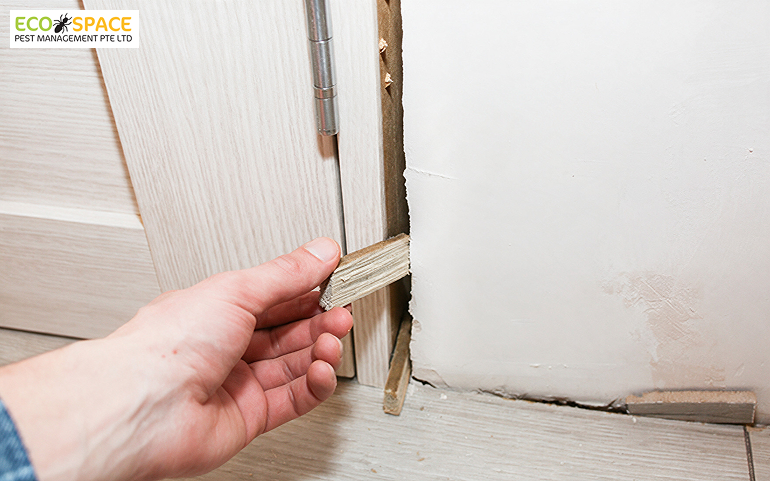
Rats can pass through a gap of around 1.5 cm, roughly a 20-cent coin, and mice through even less. Fill small holes with steel wool or copper mesh, which rodents cannot chew through, and pack it into silicone-based sealant rather than relying on foam or plastic alone. Use fine wire mesh over vents, fit sturdy door sweeps, and cover floor drains with proper gratings.
Set traps strategically.
Snap traps and cage traps work well when placed perpendicular to walls along active runways, where rats naturally travel. Bait with high-protein, aromatic foods such as peanut butter, and wear gloves so your scent does not deter them. Rotate trap types and positions every few days to counter the caution rats develop.
Use bait responsibly, or leave it to professionals.
Rodenticide can be effective but carries real risks to children, pets and non-target wildlife, and poisoned rats can die inside wall voids and create odour problems. If bait is used, it should be in secured, tamper-resistant stations. In practice this step is safest when handled by a licensed technician.
Monitor and adjust.
Keep traps and deterrents in place for at least a week to ten days and track what you catch. Because rats learn and adapt, ongoing monitoring and repositioning are what turn early success into a cleared infestation.
A realistic note on ultrasonic repellers: Ultrasonic plug-in devices are heavily marketed as an easy fix, but the independent evidence for them is mixed at best, and they should not be relied on as a standalone solution. Rats can habituate to the sound, and the waves do not travel through walls, so any effect is limited and localised. Your effort is far better spent on the sanitation, exclusion and trapping steps above, which are what actually end the problem.
Poison-Free and Pet-Safe Rat Control
Many Singapore households, especially those with children, elderly residents or pets, prefer to avoid rodenticides entirely. This is very achievable in the early and moderate stages. A poison-free programme leans on the same integrated principles: rigorous sanitation, physical exclusion with steel wool and mesh, and mechanical trapping with snap or cage traps. Scent-based deterrents such as peppermint oil can play a minor supporting role near entry points, though they are short-lived and are not a substitute for trapping and proofing.
Outdoor management matters too. Trim vegetation and bushes against walls and fences, clear fallen fruit and seeds, store compost and gardening materials in sealed containers, and fit rat-proof grilles over external drains. For balconies and rooftop gardens, raised planters and fine metal mesh under pots discourage burrowing. These measures reduce the harbourage around a property so that any rats already inside have nowhere to regroup.
Why DIY Rat Control Often Falls Short
It helps to be honest about why home efforts stall, because the reasons are biological. Rats are prolific breeders. A female can breed from around five weeks of age and produce up to 12 pups per litter across several litters a year, so under favourable conditions a single pair can give rise to well over two thousand offspring in a year. By the time you notice activity, the population is usually larger than it looks.
Rats are also cautious and intelligent. They show neophobia, a wariness of new objects, so they may avoid a freshly placed trap for days, and they possess strong spatial memory that lets them learn and reuse safe routes through a building. Research has documented this remarkable spatial memory, which is exactly why static, unchanging DIY setups lose effectiveness. Add their ability to gnaw through plastic, wood and even soft metals and to squeeze through tiny gaps, and it becomes clear why partial measures rarely finish the job. Clearing an established infestation reliably means treating every harbourage and entry point in a coordinated programme, then verifying the result, which is where professional pest control services in Singapore earn their keep.
What to Expect When Hiring a Rat Exterminator in Singapore?
When an infestation is established, spreading or recurring, a professional rat exterminator in Singapore gives you the fastest and most durable result. A good technician does far more than lay a few traps. The first visit is largely inspection, proofing and placement rather than a dramatic clear-out: the exterminator identifies the species, maps entry points and runways, sets traps and stations in safe locations, and explains what you need to keep clear while treatment runs. Over the following days and return visits, activity is monitored and placements are adjusted until the population is cleared.
EcoSpace matches the method to the property rather than using one approach for every job. The core rodent methods are:
- Baiting with secured stations. Tamper-resistant bait stations are placed along movement paths, nesting areas and perimeters, positioned to minimise exposure to children, pets, staff and customers. This suits outdoor perimeters, bin areas and back-of-house spaces.
- Glue boards. Used to monitor movement and capture smaller rodents in targeted indoor spots such as behind equipment or along runways, and to confirm where activity is concentrated.
- Cage traps. Chosen where physical capture is preferred or baiting is unsuitable, in storerooms, roof spaces and service yards.
- Entry-point and harbourage checks. The technician inspects gaps around pipes, doors, drains, rubbish areas, roof spaces and perimeters, then recommends sealing, waste-handling and clutter fixes to stop rats returning.
EcoSpace follows a clear five-step process: an initial site inspection to gauge the scale and identify the species, source identification of nests, burrows and access points, strategic baiting or rodenticide application where appropriate, trap placement in high-activity zones, and sanitation recommendations to prevent recurrence. In HDB flats and condominiums, treatment often needs to account for shared risers and rubbish chute rooms where rats travel between floors, and it can help to coordinate with the town council or managing agent on shared-area issues. If you would like this handled properly, EcoSpace provides professional rat control in Singapore for homes and businesses.
How Much Does Rat Control Cost in Singapore?
There is no single flat rate for rat control in Singapore, because the job depends on the property and the infestation. Across the Singapore market, a first residential treatment for a mild to moderate problem is commonly quoted from around S$150 to S$350, while larger or recurring-risk sites such as warehouses and F&B premises usually move to a multi-visit or ongoing programme rather than a one-off figure.
The main factors that move the price are:
- Property type and size. A small HDB flat costs less to treat than a landed home with gardens and drains, or a large warehouse.
- Severity and spread. A single-room problem is cheaper to clear than activity across multiple areas.
- Amount of proofing required. Extensive sealing and grille work adds to the job, but it is often what makes the result last.
- One-time versus contract. Recurring-risk sites usually benefit from a maintenance plan with scheduled monitoring.
- Follow-up visits. Monitoring and carcass removal are typically built into a proper programme.
Because these vary so widely, reputable providers quote after a site assessment rather than over the phone. EcoSpace assesses your property and gives a quote based on what the inspection finds, so the plan and price fit your situation. To arrange this, book a rat inspection with us today.
How Long Does It Take to Get Rid of Rats?
Most rat infestations take around two to four weeks of active treatment to bring under control, depending on the size of the population and the number of entry points. Severe infestations in large commercial properties can take longer. The reason it is not instant is that clearing rats is a process: the first visit inspects, proofs and sets traps and stations, and follow-up visits confirm that activity has stopped and adjust placements as needed. Acting early shortens this timeline, since a contained problem clears far faster than one that has been allowed to spread.
Preventing Rats From Coming Back
Once an infestation is cleared, prevention is about denying rats food, water and shelter, and keeping them out.
- Seal gaps around pipes, vents, air-conditioning conduits and doors with steel wool in sealant, and revisit after any renovation.
- Manage waste tightly. Dispose of rubbish daily, keep bins covered, and in HDB flats keep the rubbish chute hopper closed.
- Store food securely in airtight containers, and remove pet food and standing water overnight.
- Keep storage clear. Use sealed bins rather than cardboard, and avoid cluttered dark corners that invite nesting.
- Maintain the outdoors. Trim vegetation against walls, clear fallen fruit, and fit grilles over external drains.
Building these habits into a routine protects the result of any professional treatment and is far less disruptive than dealing with a fresh infestation. For homes that want steady, year-round cover against rats and other common household pests, ongoing pest control services in Singapore combine routine inspection with prevention so problems are caught before they take hold.
Rats in HDB Flats, Condominiums and Businesses
Rodent risk changes with the property. In HDB flats and condominiums, rats often travel through shared chutes, service ducts and riser rooms, so treating an individual unit works best when shared areas such as chute rooms and common drains are addressed too, sometimes with the managing agent’s cooperation. Landed homes face more risk from outdoor drains, soil beds and refuse points.
Businesses carry higher stakes. Restaurants, cafés, food courts and central kitchens attract rats through food waste, grease and delivery activity, and rodent activity there affects hygiene, compliance and customer trust. Warehouses and industrial sites add large floor areas, loading bays and stored goods that rats can damage and contaminate. For these settings, EcoSpace provides structured commercial pest control in Singapore built around the site’s layout and operational needs, and inspection-led residential pest control services for homes.
Why Choose EcoSpace for Rat Control
Choosing a rat exterminator is a trust decision, so it helps to know who you are dealing with. As an established pest control company in Singapore, EcoSpace Pest Management provides professional rat pest control for homes, offices, F&B premises, warehouses and commercial spaces across Singapore. It is a registered Vector Control Operator with the National Environment Agency, which means rodent inspections, baiting, trapping and proofing follow proper pest management practice.
The team brings more than 20 years of hands-on experience with rodent issues across different property types, which helps in reading the signs, locating entry points and choosing the right method for each site. Where suitable, EcoSpace prioritises approaches that reduce environmental impact, including mechanical traps, targeted baiting and integrated pest management, and every plan is tailored to the property’s layout, activity level and entry points rather than applied from a template. After treatment, the team explains the areas inspected, the methods used and the steps needed to reduce future activity, so you are left with a clear picture rather than guesswork.
If you are seeing droppings, gnaw marks or hearing noises at night, the fastest route to a rat-free home or premises is a proper inspection. Contact EcoSpace Pest Management to arrange one.
Say Goodbye to Rats the Safe Way
Learning how to get rid of rats without poison is not only possible but increasingly essential in today’s eco-conscious world. With the right combination of pet-safe rat solutions, physical exclusion, and home hygiene, you can reclaim your home from these stubborn invaders without harming your environment or loved ones.
EcoSpace Pest Management proudly offers residential pest control services tailored to Singaporean homes. Whether you need help with stubborn rodent infestations, or simply want to ensure your home is pest-proof, our expert team is ready to assist you with safe, humane, and effective solutions.
Book a free rat pest control inspection and let EcoSpace Pest Management help you live without pests, safely and sustainably.
Frequently Asked Questions
Does seeing one rat mean I have an infestation?
Usually yes. Rats are secretive and nocturnal, so seeing one, especially in daylight, often means a larger hidden population is already established. Because rats breed quickly, it is best to inspect and act rather than wait to see whether more appear.
Can I get rid of rats myself, or do I need a professional?
Early, isolated problems can sometimes be managed with diligent sanitation, exclusion and trapping. Once you see multiple rats, hear activity in walls or ceilings, or the problem recurs after your efforts, a professional is the more reliable choice, because rats hide and nest in places that are hard to reach and treat completely.
Do ultrasonic rat repellers actually work?
Not reliably. Ultrasonic devices are widely marketed, but independent evidence for them is mixed, rats can grow used to the sound, and the waves do not pass through walls. They are at best a minor supplement and should not replace sanitation, sealing and trapping.
What smells do rats hate?
Rats dislike strong scents such as peppermint oil and, outdoors, ammonia, which mimics predator urine. These can act as short-term, supporting deterrents near entry points, but they wear off quickly and do not remove an established population on their own.
Are rat droppings dangerous, and how should I clean them up?
Rat droppings and urine can carry disease-causing pathogens, so treat them with care. Do not sweep or vacuum dry droppings, which can release particles into the air. Wear gloves, dampen the area with a disinfectant, wipe up carefully, and wash your hands thoroughly afterwards. For heavy contamination, a professional clean is safer.
How do rats get into HDB flats and condominiums?
In high-density housing, rats commonly move through shared rubbish chutes, service ducts and riser rooms, and enter individual units through gaps around pipes, floor traps, air-conditioning openings and damaged door seals. Keeping the chute hopper closed and sealing internal gaps helps, and shared-area issues may need the managing agent’s involvement.
What is the fastest way to get rid of rats?
There is no genuine overnight fix, but the fastest reliable route is a professional inspection that combines trapping or secured baiting with immediate proofing of entry points and sanitation. Removing the population without sealing the gaps only invites the next rats in, so speed and permanence come from doing both together.
Do rats leave on their own?
No. As long as a property offers food, water and shelter, rats have no reason to leave, and the population will keep growing. Removing those attractions and sealing entry points is what forces the issue, alongside active removal of the rats already present.
Does EcoSpace handle both rats and mice?
Yes. EcoSpace treats the Norway rat, roof rat and house mouse, identifying the species during inspection and selecting traps and placements suited to each, since rats and mice differ in size, behaviour and the gaps they exploit.
 EcoSpace Pest Management Pte Ltd