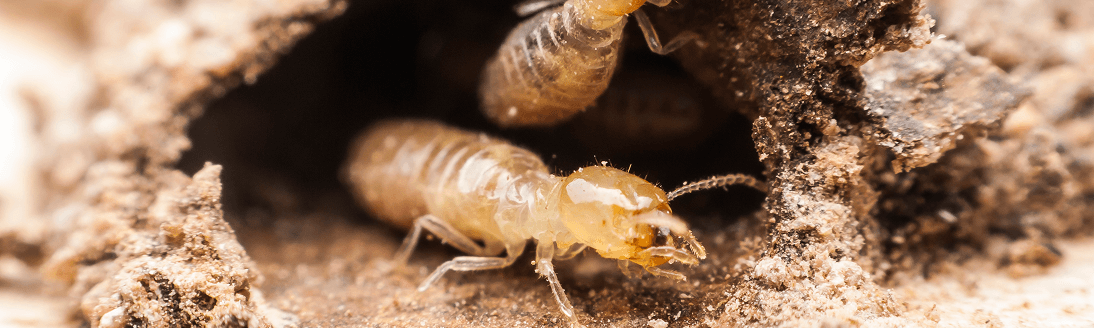
Termite Control

Silent but destructive, termites can compromise the safety and value of your property before you even notice the damage. Our termite control solutions in Singapore target colonies at their source, stopping active infestations and safeguarding your home or business from costly repairs.

Termite Pest Control Singapore

Termite Pest Control Singapore

When it comes to termite pest control, early detection and professional intervention are key to protecting your home or business from serious damage. At EcoSpace Pest Management, we offer comprehensive termites treatment solutions in Singapore that go beyond surface fixes. targeting colonies at their source and preventing future infestations.

Whether it’s a landed property, HDB flat, or commercial facility, our termite specialists are equipped with industry-grade tools and certified treatments to restore safety and peace of mind.

Why Termite Control is Critical in Singapore

In Singapore’s warm and humid climate, termites thrive all year round, posing a constant threat to wooden structures. Left untreated, they can compromise the integrity of homes, furniture, and buildings.

That’s why termite pest control isn’t just a reactive measure—it’s a necessary step in property maintenance. Our anti termite treatments provide both corrective and preventive protection, helping you avoid costly repairs and structural hazards.

Why Termite Control is Critical in Singapore

Signs of Termite Damage

Mud Tubes

Thin, brown tubes found along walls, skirting boards, or furniture, used by subterranean termites to travel and retain moisture.

Hollow Wood

Tap wooden surfaces—if they sound hollow or break easily, termites may have eaten away the inside.

Clicking Sounds

Soft rustling or clicking noises from inside wooden structures, caused by soldier termites alerting the colony.

Piles of Droppings

Tiny wood-coloured pellets near wooden furniture or windows are usually a sign of drywood termites.

Warped Doors or Bubbling Paint

Termite activity can cause excess moisture, making doors stick or paint peel for no obvious reason.

How to Prevent Termite Infestations

Frame 64

1. Regular Property Inspections

Schedule frequent checks around your home or office to detect early signs of termite activity before serious damage occurs.

Frame 65

2. Reduce Moisture Levels

Fix leaking pipes and ensure proper drainage, as termites thrive in damp conditions that make wooden structures vulnerable.

Frame 66

3. Proper Wood Storage

Keep firewood and timber away from walls and the foundation to prevent termites from easily accessing your property.

Frame 67

4. Professional Pest Control Treatments

Engage experts for preventive treatments and termite-proofing solutions to safeguard your property from potential infestations.

Types of Termite Treatment

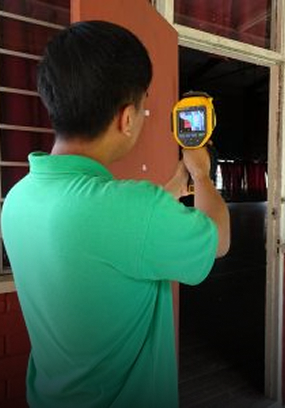
Thermal Imaging

Detects termite activity in hidden spaces.

Above-Ground Baiting

Targets termites at the colony level.

Dusting and Fumigation

Directly treats affected areas.

Rodding Treatment

Targets outdoor areas like gardens

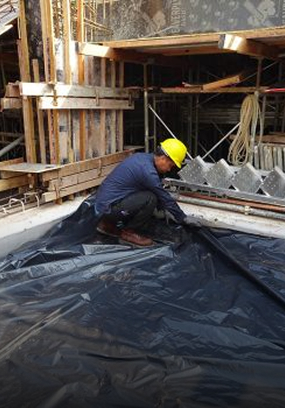
Soil Treatment

Provides anti-termite protection to building foundations.

Types of Termites in Singapore

Termite Drywood

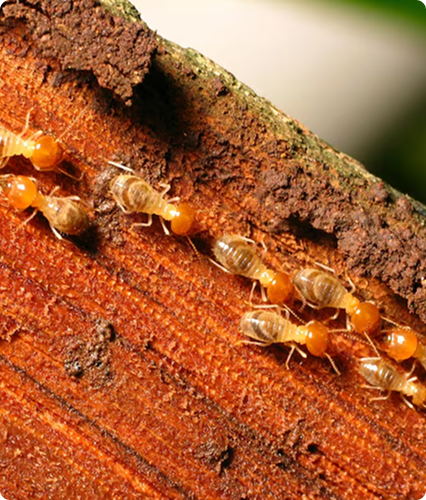
Termite (Subterranean)

These termites burrow in the soil, building underground nests and relying on soil moisture. As the most damaging type, they often enter homes through foundations or cracks, causing extensive damage to wooden structures. Termites are highly destructive insect pests in the urban environment which feed on the cellulose found in wood. Termites are generally categorized into three groups: subterranean termite, drywood termite and dampwood termite. There are several species of subterranean termites known to be pests, Coptotermes sp., Macrotermes sp., and Microcerotermes sp. Coptotermes sp. are the most destructive types in Singapore because they infest buildings and structures. They nest beneath the soil and dependent on soil for moisture. They construct shelter tubes to avoid dehydration during the process of searching for cellulose above the ground level.

Sign of infestation

  • Presence of mud tube tunnels (build-in cabinet, ceiling, doorframe, wooden floor)
  • Damage on wooden structure
  • Clicking sound produce by soldier termite on wood structure

Cause of termite infestation

  • Presence of water sources or moisture

What if not treated on time?

  • Severe damage to entire building / structure
  • Cause structures unliveable until expensive repairs are conducted

Types of treatment

  • Thermal Imaging
  • Above-ground baiting
  • Dusting
  • Rodding (Landscape)
  • Anti-termite corrective treatment
  • Soil treatment

Treatment Approach

  • Visual inspection to potential infestation site
  • Carry out a thorough inspection by using the latest technology equipment (Thermal Imaging Camera) to locate subterranean termites
  • Identify the species of termite
  • Recommend the effective treatment for the infestation
  • Spot treatment uses either above-ground baiting system or by the conventional dusting method
  • For preventive treatment, we can provide either Anti-Termite Corrective Treatment / Soil treatment / Rodding
  • After treatment, recommendation of sanitation and structural improvement to minimise prevention of future pest infestation

Preventive measure

  • Remove unessential cellulose-based materials (e.g., lumbers, firewood, dead trees, tree stumps, etc.)
  • Eliminate all sources of water or moisture (e.g., repair and fix water leakages)
  • Install screens in attics and foundations to prevent alates from entering into the premises

Habitat:

Subterranean termites travel between nests and food through soil tunnels. They need moisture and frequently invade homes through the foundation.

Reproduction:

A single colony, led by a queen that lays thousands of eggs, can grow to millions, making control challenging without professional intervention.
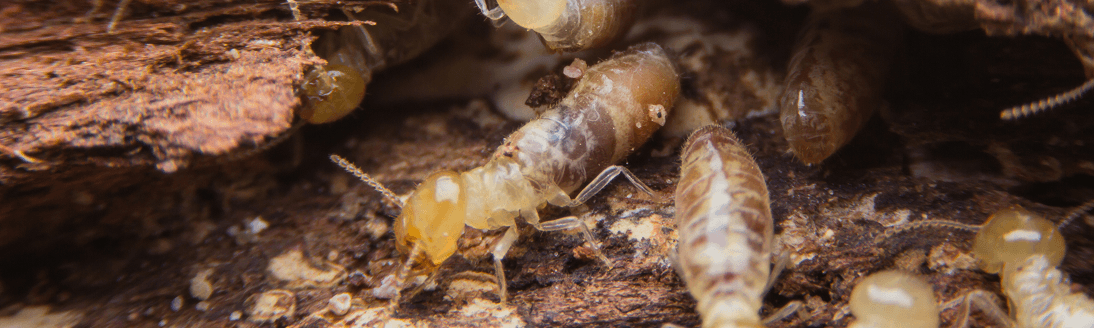
Termite Drywood

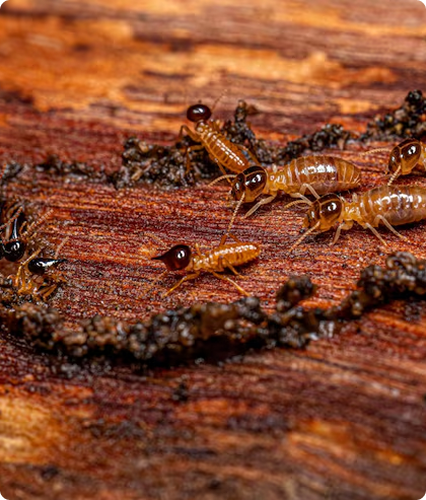
Termite (Drywood)

Unlike subterranean termites, drywood termites nest in dry wood, staying hidden in structures like furniture, beams, and attics. Drywood termites are termites living in moisture less wood with no connection to the soil. They form nests in the structure or wood that they are infested, such as door frame and furniture. Living inside wood that has no contact with water, drywood termites have ability to metabolize water from the wood that they eat, absorbing and reabsorbing water from their faeces. Drywood termite colonies are very small compared to subterranean termite colonies.

Sign of infestation

  • Dropping of small size faecal pellet (1mm)
  • Damage on wooden structure

What if not treated on time?

  • Severe damage to furniture / household items

Type of treatment

Preventive measure

  • Remove unessential cellulose-based materials (e.g., lumbers, firewood, dead trees, tree stumps, etc.)
  • Install screens in attics and foundations to prevent alates from entering into the premises
  • Protect wood surfaces by sealing off cracks and crevices

Habitat:

These termites inhabit dry wood above ground, surviving in furniture and wooden structures without needing soil or moisture.

Reproduction:

Drywood termite colonies grow slowly, but over time, they can cause significant damage to wood.
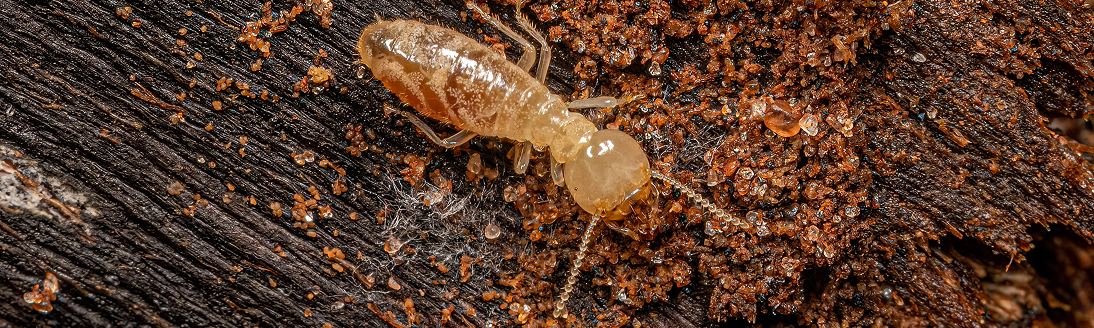
Termite Drywood

Damp wood Termites

Damp wood termites thrive in wet, decayed wood and are more common in environments with moisture problems.

Habitat:

These termites are usually found in water-damaged areas like basements or near leaks.

Reproduction:

Although they reproduce slowly, damp wood termites survive well in high-moisture settings, making them persistent in certain conditions.

termite

Why Store-Bought Termite Insecticides Don’t Work

Over-the-counter sprays may seem like a quick fix, but termites don’t operate on the surface—they thrive deep within wood and underground. DIY solutions often drive termites to relocate rather than eliminate them, making the infestation harder to control.

Our termite specialists use professional-grade equipment and NEA-approved agents that reach into hidden colonies and eliminate termites at the source. Choosing professional termite extermination services in Singapore means safer methods, better results, and lasting protection.

Why Should You Seek Help From Professional Termite Specialists?

You will find several Do-It-Yourself (DIY) products available online. But mostly products are ineffective in treating Termite Control Singapore problems. To get rid completely of termites, you need to kill the Queen of Termite. But if you use DIY solutions, they may cause the termites to relocate their nests. This will make it difficult to eradicate them entirely.

So, it’s essential to seek professional Termite Specialists help when facing a termite attack. They are highly experienced and specialize in termite control effectively. With their Pest Control Termite Treatment, you can protect your house before any significant damage.

worker protective uniform with mask rubber gloves crouching spraying with disinfectant food factory corona outbreak concept

What Happens if Not Treated on Time?

Group 51

Severe damage can make a building unsafe for occupancy.

Group 52

Costly repairs due to extensive damage to homes, buildings, or furniture.

Group 53

Potential compromise of structural integrity, making spaces unlivable until repaired.

Group 54

Long-term destruction of wood items, requiring replacement of floors, furniture, or fixtures.
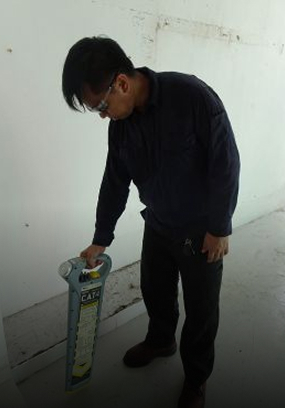
Our Steps for Pest Control Termite Treatment

1

Inspection

We thoroughly inspect the property to locate termite infestations using advanced tools. Early detection helps prevent further spread and reduces long-term risks.

2

Termite Proofing

By applying our pest control termite treatment to wood structures, we prevent future termite invasions, offering durable protection.

3

Utilizing Baiting Systems

Our methods of termite control in Singapore includes placing bait stations strategically. Termites consume the bait and bring it back to the colony, gradually eliminating it through a nature-friendly method.

4

Soil Treatment Before Construction

We treat the ground to create a protective zone around new buildings, ensuring future resistance against termites.


5

Addressing Active Infestations

Using targeted treatments, we eliminate active termite nests swiftly to prevent further property damage.

Why Choose EcoSpace for Termite Control

1. Expert Termite Assessment

EcoSpace professionals conduct thorough inspections to accurately identify termite activity and the extent of infestation.

2. Effective Treatment Solutions

We use advanced and safe termite control methods tailored to your property, ensuring long-lasting protection.

3. Preventive Measures Guidance

Our experts provide actionable advice and strategies to prevent future termite infestations and protect your property.

4. Reliable and Trusted Service

With years of experience in Singapore, EcoSpace delivers prompt, professional, and dependable termite control services for homes and offices.

Customer Reviews

FAQs

The most effective solution is to engage professional termite pest control services. We use advanced methods such as soil treatment, baiting, and spot application to eliminate colonies—something DIY sprays cannot achieve.

With proper application, anti termite soil treatments can last up to five years. Baiting systems and follow-up visits also extend protection by keeping colonies in check.

Without regular monitoring, there’s always a risk of reinfestation. That’s why we include follow-up inspections as part of our pest control services, ensuring long-term protection against termites and other pests.

The most common types include subterranean, drywood, and dampwood termites. Subterranean termites are especially destructive and often require urgent termite extermination services to contain the damage.

Watch Us in Action as a Termite Exterminator

See how our team effectively identifies, treats, and prevents termite infestations. Our experts ensure your property stays protected with professional termite control solutions.