
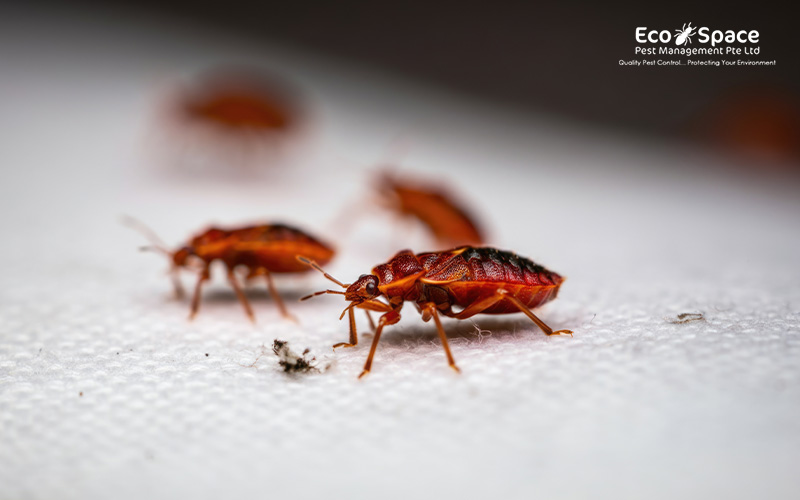
Key Takeaways
- HDB flats in Singapore are especially vulnerable to bed bug infestations due to shared walls and high population density.
- Advanced bed bug treatment methods include heat, chemical, and containment strategies.
- Heat treatment, crevice sealing, and mattress encasement are highly effective.
- Ongoing pest removal monitoring ensures long-term protection.
- Professional help is essential for complete elimination; DIY methods are rarely sufficient.
Understanding Bed Bug Risks in HDB Flats and How Professional Inspection Works
In Singapore, bed bug infestations in HDB flats are often introduced through items brought into the home rather than structural spread. Bed bugs can hitchhike on personal belongings, infested furniture, mattresses, bedding, luggage after travel, second-hand sofas or beds, clothing, and bags that have been exposed to infested environments. This makes early identification important, especially when items have recently been brought in from hotels, overseas accommodations, other homes, or pre-owned sources.
Visitors and overnight guests may also unknowingly bring bed bugs into a unit through clothing, bags, or personal belongings. Once introduced, bed bugs can quickly hide in mattresses, bed frames, furniture joints, bedding seams, and other areas near where people rest. As a result, what appears to be a minor issue can become harder to manage if the source is not identified early.
Because of this, effective control begins with a structured inspection process. A professional bed bugs exterminator does not rely on surface-level observation alone. Instead, each inspection is carried out systematically to identify hidden infestation points, assess the severity, and determine where the bed bugs are harbouring within the unit.
From there, treatment is planned with precision. Rather than applying general sprays, professional methods focus on eliminating bed bugs at every life stage, including eggs concealed deep within furniture, bed frames, mattress seams, bedding folds, and tight crevices. In HDB homes, this level of detail is essential to prevent recurring infestations after bed bugs have been introduced through belongings, furniture, luggage, or visitors.
How Professional Bed Bugs Exterminators Eliminate Infestations Effectively
Eliminating bed bugs requires more than a single method. A qualified bed bugs exterminator combines inspection, targeted treatment, and follow-up strategies to ensure the infestation is fully resolved. Each step is designed to address both visible activity and hidden breeding areas within the home.
1. Detailed Site Inspection and Infestation Mapping
Before treatment begins, technicians conduct a thorough inspection of the affected unit. This includes mattresses, bed frames, upholstered furniture, electrical sockets, and structural gaps. By mapping infestation zones, the bed bugs exterminator can identify how widespread the issue is and prioritise treatment areas accordingly.
2. Customised Treatment Planning
Based on inspection findings, a tailored treatment plan is developed. This ensures that the approach matches the severity and layout of the home, which is particularly important in HDB flats where space constraints and shared structures influence how bed bugs spread.
3. Targeted Application of Treatment Methods
Treatments are applied with precision to reach bed bugs in concealed areas. Whether through heat treatment or controlled insecticide application, the objective is to eliminate bed bugs across all life stages, including those hidden deep within cracks, joints, and internal structures.
4. Containment and Preventive Measures
To limit further spread, containment strategies are implemented. This may include mattress encasement, sealing of entry points, and advising residents on how to manage affected items. These steps support the treatment process and reduce the risk of reinfestation.
5. Follow-Up Inspections and Monitoring
After the initial treatment, follow-up inspections are carried out to confirm that the infestation has been fully resolved. Monitoring tools may be used to detect any remaining activity, ensuring that no hidden pockets of bed bugs are left behind.
6. Heat Treatment for Deep Penetration
One of the most effective modern solutions is heat treatment, which involves raising the temperature of a room to around 50–60°C to kill bed bugs at all life stages, including eggs. This method penetrates walls, mattresses, and furniture—places where chemical sprays might not reach.
Because heat can travel into cracks, behind baseboards, and inside wooden frames, it is ideal for dense urban living like HDB flats, where infestations often hide in shared structures. It’s a safe and eco-friendly solution recommended by experienced bed bugs exterminator providers in Singapore.
7. Chemical Insecticide Applications
Despite the effectiveness of heat, chemical treatments still play a vital role. Professionals apply targeted, high-grade insecticides to baseboards, bed frames, and furniture joints. These products often have residual properties, meaning they continue to kill any bed bugs that emerge after the initial treatment.
This form of bed bug treatment requires precision and experience, which is why it should only be done by trained technicians. In a compact HDB setting, improper use of chemicals can lead to health risks or spread the infestation further, another reason to rely on licensed pest control services.
8. Mattress Encasements for Ongoing Protection
Another essential component of advanced treatment is mattress encasement. These specially designed covers trap any bed bugs already inside the mattress and prevent new ones from entering or escaping.
Once sealed, the encasement effectively cuts off the bugs’ food source (you), which leads to their eventual death. It’s a non-chemical pest removal strategy that also makes future inspections easier. In shared-living environments, this preventive measure is crucial for maintaining a pest-free space over time.
9. Crack and Crevice Treatments for Hidden Infestations
Bed bugs are masters of concealment. They often live in small crevices, gaps behind skirting boards, under carpets, or in electrical sockets. To address this, technicians perform detailed crack and crevice treatments, applying insecticides directly into these hiding spots.
This meticulous approach ensures that every last bug is reached, especially in tight spaces common in HDB flats. For stubborn or repeat infestations, this step is often the key to successful bed bug control.
10. Post-Treatment Monitoring and Follow-Up
Eliminating bed bugs is not a one-and-done task. After treatment, ongoing post-treatment monitoring is vital to confirm success. This often involves placing sticky traps in strategic locations and conducting follow-up inspections.
These steps help confirm whether the infestation is truly gone or if additional intervention is needed. Monitoring also provides peace of mind for residents, especially after major pest removal efforts.
Why DIY Bed Bug Treatments Often Fall Short
While it may be tempting to rely on over-the-counter solutions, DIY methods often fail to fully eliminate bed bugs. These pests are highly resilient and tend to hide in areas that are difficult to access without professional tools and experience. Surface sprays may reduce visible activity, but they rarely address eggs or deeply embedded infestations.
In many cases, incomplete attempts allow the problem to persist and spread further within the home or even to neighbouring units. Repeated DIY efforts can also lead to prolonged disruption without resolving the root cause of the infestation.
For more reliable and lasting results, a structured approach is required. Professional services are designed to address infestations comprehensively through inspection, targeted treatment, and follow-up. Learn more about effective bed bug treatment.
Practical Tips from Professional Exterminators to Manage Bed Bug Infestations
1. Identify Early Signs Before the Infestation Spreads
Early detection makes a significant difference in controlling bed bugs. Look out for small bite marks, dark spotting on bedding, or unusual odours near sleeping areas. Addressing the issue early reduces the extent of treatment required.
2. Minimise Clutter to Support Effective Treatment
Clutter creates additional hiding spots, making it harder to detect and treat infestations. Keeping the space organised allows treatments to reach affected areas more effectively and improves overall inspection accuracy.
3. Use Heat-Based Cleaning Methods Where Possible
Washing and heat-drying bedding, curtains, and clothing helps eliminate bed bugs and their eggs. Heat is one of the most reliable non-chemical methods for treating fabric-based items.
4. Avoid Relocating Infested Items Within the Home
Moving furniture or belongings between rooms can spread bed bugs to new areas. Items suspected to be infested should be isolated and handled carefully to prevent cross-contamination.
5. Engage a Professional Early for Complete Resolution
Delaying professional intervention often leads to more extensive infestations. Engaging a qualified bed bugs exterminator early ensures that the issue is addressed systematically, reducing the likelihood of recurrence and minimising disruption to your home.
Invest in Lasting Bed Bug Solutions
Bed bug pest control in an HDB flat requires more than over-the-counter sprays or home remedies. It demands strategic, professional bed bug treatment tailored for dense residential settings. From heat treatment and mattress encasement to post-treatment monitoring, every step counts in protecting your home.
For safe, efficient, and lasting results, contact EcoSpace Pest Management. We offer expert bed bug pest control that Singapore residents trust for effective and discreet service.
Book your inspection now at EcoSpace Pest Management and take back control of your home.