Key Takeaways
- Heat treatment is a non-chemical pest treatment that targets pests at all life stages.
- Chemical pest control is more cost-effective and has longer-lasting effects.
- The right treatment depends on your pest problem, health considerations, and long-term goals.
- Both methods have unique benefits for residential and commercial settings.
- Always consult a trusted pest control company in Singapore for a tailored solution.
What is Heat Treatment?
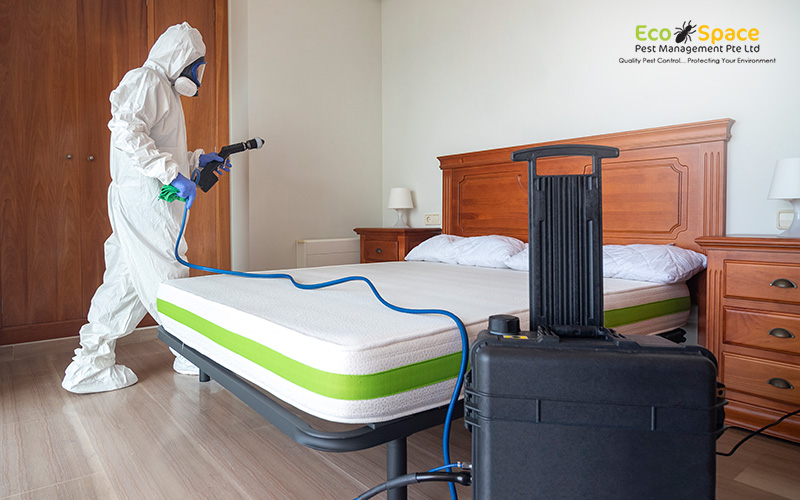
Heat treatment, also known as thermal remediation, involves raising the ambient temperature of an infested area to levels that are lethal to pests, typically between 45°C and 60°C. This method is particularly effective for controlling bed bugs, silverfish, and termites in hard-to-reach places.
The heat penetrates walls, furniture, and floors, killing pests at every life stage, from eggs to adults. It’s a preferred method for those looking for an immediate, non-chemical pest treatment that doesn’t involve residue or toxins.
What is Chemical Pest Control?
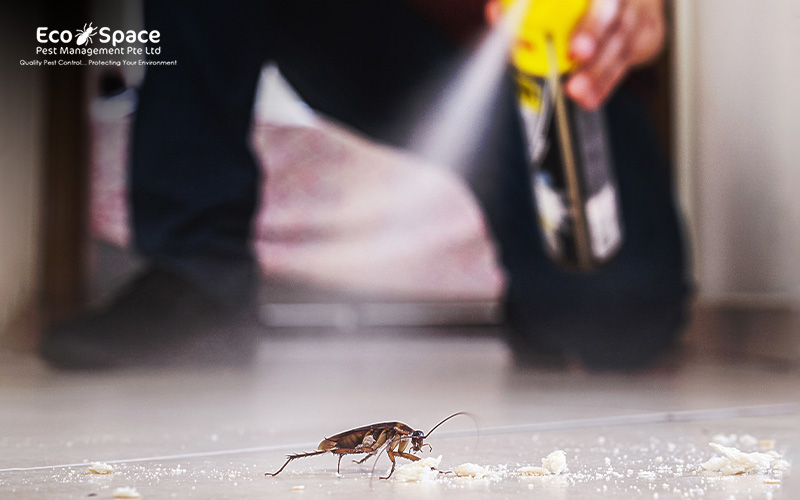
Chemical pest control uses a range of targeted insecticides and pesticides to eliminate pests. These chemicals can be applied as sprays, dusts, gels, or baits, depending on the species and infestation level. This method is commonly used for cockroaches, ants, termites, and rodents.
Chemical treatments provide residual protection, meaning the treated area continues to repel and kill pests over time. This makes it ideal for long-term prevention and recurring infestations. Many pest control services offer routine chemical treatments as part of their maintenance packages.
Benefits of Heat Treatment
One of the biggest advantages of heat treatment is its minimal environmental impact. It doesn’t use any synthetic chemicals, making it a safer option for households with pets, young children, or allergy-prone individuals.
Another benefit is that heat works quickly. Most pests die within minutes of exposure to lethal temperatures. The process doesn’t damage your electronics or furniture, and it leaves no lingering odours, making it a clean and effective solution.
Benefits of Chemical Pest Control
Chemical pest control is often more affordable and accessible than other methods. It offers fast knockdown capabilities and a longer-lasting barrier against pest re-entry. This is especially important in places with ongoing pest pressure, such as restaurants, food storage facilities, and high-rise apartments.
Chemical treatments also work better for pests that nest deep within walls or underground. For example, termite treatment in Singapore often involves injecting termiticides into soil or structures to stop colonies at the source.
Which Should You Choose?
Your choice between heat and chemical treatments largely depends on your priorities. If you’re looking for an eco-friendly, non-chemical pest treatment that offers quick results, thermal remediation may be right for you. On the other hand, if you’re dealing with a severe or widespread problem, chemical solutions could offer more comprehensive protection.
It’s always best to consult a reputable pest control company in Singapore like EcoSpace Pest Management. Their experienced technicians can assess the extent of your infestation and recommend the most suitable treatment plan.
Tailored Solutions That Work
Both heat and chemical methods have their strengths. The heat method is clean and environmentally friendly, while chemical treatments offer deeper penetration and provides longer-lasting results. Ultimately, the right choice depends on your pest issue, home setup, and safety preferences.
Let EcoSpace Pest Management help you reclaim your space. With years of experience and a full range of home pest control services, we’ll recommend a strategy that works safely, quickly, and effectively.
Visit EcoSpace Pest Management today to schedule your consultation.