
Bed bugs may be tiny, but their impact can be overwhelming. In Singapore’s dense urban living environment, it doesn’t take much for these pests to spread between flats, condos, and even workplaces. While many dismiss bed bugs as an old problem, the reality is that infestations remain common and increasingly hard to manage. Whether you live in an HDB flat or private condo, knowing how to remove bed bugs swiftly and effectively can spare you sleepless nights and biting pests.
In this article, we break down how to remove bed bugs, explain why early action matters, and show how Singapore homeowners and tenants can keep their homes bed‑bug‑free through effective techniques and sustainable measures. We will help you recognise the signs of bed bugs, compare DIY vs. professional pest control options, and know when a certified bed bug pest control provider should be called in.
Key Takeaways
- Understand where bed bugs hide and how they spread
- Learn the early signs of bed bugs before the infestation worsens
- Explore step‑by‑step instructions on how to remove bed bugs at home
- Discover sustainable prevention strategies that minimise future risks
- Know when to engage certified pest control services in Singapore
Know Your Enemy: What Are Bed Bugs?
Bed Bug Basics
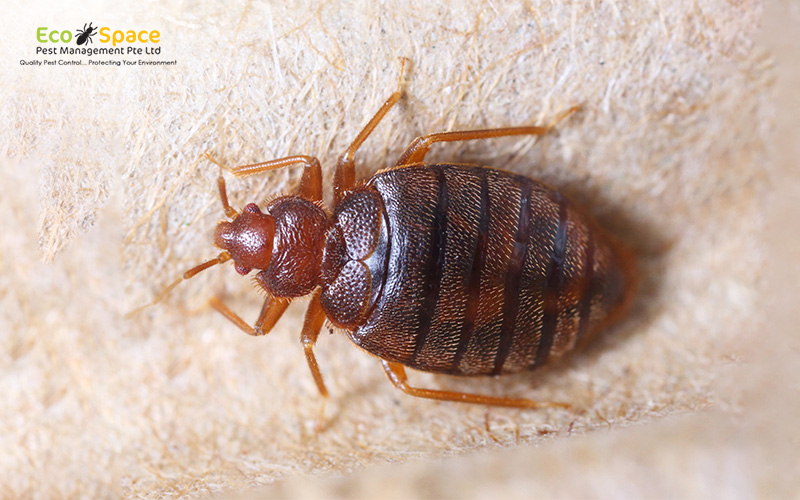
Bed bugs are small, reddish‑brown insects that feed exclusively on human blood. They are most active at night, quietly biting and retreating to hidden areas during the day. Unlike lice or fleas, bed bugs do not live on humans, they live near the bed, often in mattress seams or headboards. An adult bed bug measures about five to seven millimetres long and has a flat, oval body, making it visible to the naked eye. Understanding how to remove bed bugs starts with knowing their lifespan: adult bed bugs can live for up to one year without feeding, and each female can lay hundreds of eggs during that time.
How Bed Bugs Enter Your Home
Bed bugs often hitch a ride in luggage, second‑hand furniture, or even on clothing. After travel or visits to hotels, it’s possible they come home hidden in suitcases or jackets. In Singapore’s high‑density housing, bed bugs can spread between units within HDB flats or condos through wall cracks or plumbing voids. Their population is increasing partly due to frequent travel and population density, making bed bug inspection especially prudent after returning from overseas.
Common Hiding Places in Singapore Homes
In Singapore homes, bed bugs tend to hide in places close to their human hosts:
- Mattress seams, bed frames, and headboards
- Cracks in wooden floors or along skirting boards
- Curtain folds, electrical outlets, and behind loose wallpaper
- Soft furnishings such as sofas, cushions, and even behind picture frames

When considering how to remove bed bugs, it is essential to target all these hiding spots to ensure thorough eradication.
Are Laundromats Safe? Bed Bug Risks in Public Washing Facilities
One lesser-known risk for bed bug infestations in Singapore comes from laundromats. Yes, you heard that right. If you’re washing your bedding or clothes in shared washing facilities, especially those near student housing or budget accommodations, there’s a chance you could carry bed bugs home.
Knowing how to get rid of bed bugs in Singapore also means understanding how they spread. These pests can hide in laundry bags, cling to damp fabrics, or survive inside machines that aren’t cleaned regularly.
To reduce risks, always wash bedding in hot water (at least 60°C) and use a dryer on high heat. Avoid placing laundry baskets or clean clothes on shared surfaces. And if possible, bring your own bags and inspect machines before use, prevention is often simpler than removal.
Signs of Bed Bug Infestation
Early detection is key to effective removal. Look out for these signs of bed bugs:
- Itchy, red bites, often appearing in clusters or a linear pattern
- Small blood stains or dark faecal spots on bedding and sheets
- Shed skins and eggshells near sleeping or resting areas
- A distinct musty odour if the infestation is heavy
Recognising these signs helps you act in time and learn the correct method of how to remove bed bugs before infestation worsens.
How to Remove and Prevent Bed Bugs
Step‑by‑Step: How to Remove Bed Bugs at Home
Step 1 Isolate Infested Materials
Remove bedding, curtains, and washable fabrics, and wash them in hot water at 60 °C. Dry them on high heat to kill adult bugs and eggs. This is a critical early step in how to remove bed bugs effectively at home.
Step 2 Vacuum All Surfaces
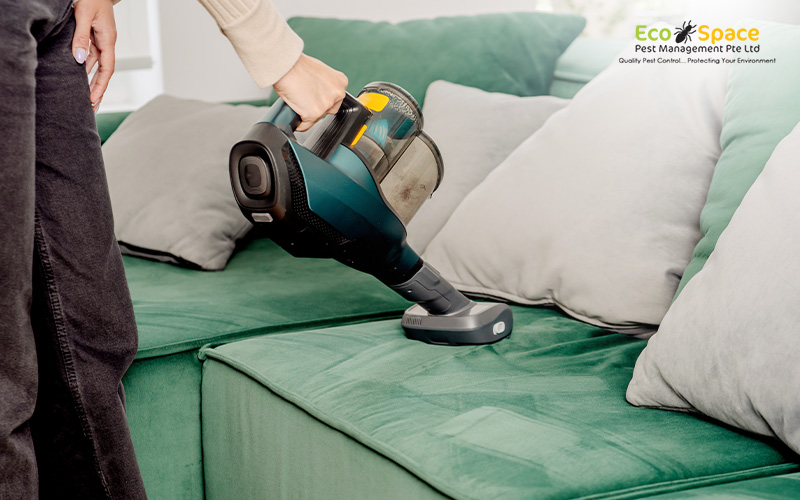
Use a strong vacuum to clean mattress surfaces, seams, cracks, baseboards, and upholstered furniture. Immediately empty the vacuum contents into a sealed bag and dispose of it outside.
Step 3 Apply High‑Heat Steam
Use a steam cleaner rated above 70 °C to target cracks, bed frames, sofas, and curtains. High‑heat steam kills live bed bugs and eggs instantly, making it one of the most reliable DIY methods of how to remove bed bugs.
Step 4 Use Mattress Encasements
After cleaning, encase your mattress and box spring in certified bed bug encasements. These trap any remaining bugs and prevent new ones from hiding, vital protection when exploring how to remove bed bugs sustainably.
Step 5 Install Interceptors
Place bed leg traps or interceptors under each bed post to catch crawling bugs. This gives you ongoing monitoring and stops reinfestation.
Step 6 Use NEA‑Approved Insecticides
If infestation persists, apply only government‑approved sprays that are safe for children and pets. Follow local guidelines strictly when using these products during your attempt to remove bed bugs.
Completing each step diligently improves your success with DIY methods but may still require professional pest control for full eradication.
How to Bed Bug-Proof Your Home: Prevention After Treatment
Once you’ve learned how to get rid of bed bugs in Singapore, the next critical step is prevention. After professional treatment, you’ll want to reduce the chances of reinfestation. Start by sealing cracks in walls, furniture, and flooring, especially in older HDB or condo units. These are common hiding spots for bed bugs and offer them easy passage into your living spaces.
Encase your mattresses and pillows with bed bug-proof covers, they’re a small investment but offer year-round protection. Avoid bringing second-hand furniture or upholstery into your home unless it has been professionally inspected.
Regular vacuuming, especially in bedrooms and living areas, helps remove eggs and stray bugs before they settle. And don’t forget: Always be alert when returning from hotels or short-term rentals. A simple habit of checking your luggage and clothes goes a long way in keeping your home free of unwanted guests.
Why DIY Doesn’t Always Work
While the above steps are essential, DIY methods may not fully resolve bed bug problems. Bed bugs hide in deep cracks and behind fixtures, making it hard to eliminate all hiding spots. Eggshells and newly laid eggs often survive surface cleaning or steam. An incomplete DIY effort can even spread bed bugs further within your home. That is why residents often need to combine home techniques with expert bed bug treatment to fully remove bed bugs.
When to Call EcoSpace Pest Management
Consider contacting EcoSpace Pest Management when:
- The infestation spreads beyond one room or recurs despite treatment
- DIY efforts over 2–3 weeks show no significant reduction in bug activity
- You continue to receive bed bug bites, especially during sleep
- You seek a sustainable and safe alternative for your family and pets
EcoSpace specialises in bed bug pest control with eco-conscious protocols. Our pest control services integrate thorough inspection, heat treatment, and minimal‑chemical solutions to remove bed bugs completely and reduce future risks.
Sustainable Prevention Tips for Singapore Homes
- Avoid buying second‑hand mattresses or inspect them thoroughly before use
- Vacuum weekly, focusing on bedroom furniture and baseboards
- Use mattress protectors and steam clean quarterly
- Wash clothing and bags after travel before storing them
- Seal cracks in walls, baseboards, and wooden furniture that might shelter bed bugs
These prevention strategies help homeowners understand and implement how to remove bed bugs and prevent recurrence.
Bed Bugs in Commercial Spaces: A Hidden Risk in Singapore
If you think bed bugs are just a household problem, think again. In Singapore, many commercial spaces, especially hostels, hotels, dormitories, and shared offices, can harbour these pests. Understanding how to get rid of bed bugs in Singapore includes recognising their presence in less obvious areas:
- Desks with fabric panels, shared sofas, and even office carpets are all vulnerable. Employees may unknowingly bring bed bugs home in bags or clothing, leading to infestations that spread beyond the workplace.
- For business owners, investing in routine pest inspections is crucial, not just for hygiene, but also for brand reputation. If your business involves customer seating, accommodation, or shared facilities, it’s worth considering discreet yet eco-friendly pest management plans tailored for commercial needs.
Frequently Asked Questions
Can you see bed bugs with the naked eye?
Yes. Adult bed bugs are visible without magnification. At 5–7 mm long, they resemble apple seeds in size. Their flat bodies and reddish-brown colour make them discreet, but visible if you look closely. Still, spotting them requires good lighting and patience.
Are bed bug bites dangerous?
Bed bug bites are not known to transmit diseases, but they can cause skin irritation, itching, welts, and occasional allergic reactions. Frequent scratching may lead to secondary infections. The psychological toll, stress, sleeplessness, anxiety, also underscores why prompt action is essential for anyone seeking to remove bed bugs effectively.
Do bed bugs only live in beds?
No. Bed bugs are opportunistic and can choose any tight, dark hiding place near human hosts. Cracks in walls, curtain seams, electrical sockets, sofas, and behind wallpaper are common hiding spots. That’s why comprehensive bed bug inspection is critical to understand how to remove bed bugs properly.
Can I get bed bugs even if my house is clean?
Yes. Bed bugs do not discriminate based on cleanliness. Infestations often arrive via travel, used furniture, or guest items. While a tidy environment helps with detection, it does not prevent bed bugs from entering.
How quickly do bed bugs multiply?
A single female can lay up to 500 eggs during her life. Since eggs hatch in 6–10 days and the nymphs mature in just a few weeks, populations can grow explosively without control. This rapid reproduction emphasises the need to learn how to remove bed bugs thoroughly and quickly.
The Importance of Early Detection in Bed Bug Control
When it comes to learning how to get rid of bed bugs in Singapore, early detection can make all the difference. These pests reproduce quickly, and a small problem can spiral into a full-blown infestation in just a few weeks. By identifying the signs early—such as tiny blood spots on sheets, shed exoskeletons, or a sweet, musty odour—you increase your chances of resolving the issue with minimal disruption. One of the most overlooked signs is the appearance of itchy red welts that often resemble mosquito bites. If multiple household members are experiencing unexplained bites, it’s time to investigate further.
Once bed bugs are detected, it’s important not to panic or rely on DIY chemical sprays, which often scatter the bugs deeper into furniture and cracks. Instead, opt for a professional inspection by a licensed pest control provider who specialises in eco-friendly methods. These experts use tools like bed bug-sniffing dogs, heat treatments, and low-toxicity solutions designed for residential use. By acting quickly and choosing the right approach, you not only eliminate the pests efficiently but also protect your family and environment from harsh chemicals. Prevention and proactive action remain your best defence.
Take Action Today to Reclaim Your Home from Bed Bugs
Dealing with bed bugs in Singapore requires a combination of vigilance, prompt action, and the right methods, especially in our shared-wall housing environment. While early infestations can sometimes be managed with home steps like washing, steaming, and vacuuming, persistent bugs often require skilled intervention.
EcoSpace Pest Management delivers eco-conscious, effective solutions for complete bed bug eradication. Their team provides professional bed bug inspection and treatment tailored to Singapore homes, blending minimal chemical use with innovative techniques. If you suspect bed bug activity or are already experiencing bites, it’s time to act.
Suspect bed bugs in your home? Contact EcoSpace Pest Management today for a safe, comprehensive removal plan designed to eliminate bed bugs swiftly and sustainably. Let certified experts handle the job so you can reclaim your home, and your sleep, once more.