
Key Takeaways
- Cockroaches, termites, mosquitoes, ants, bed bugs, and rodents are the primary house pests you need to watch out for in Singapore.
- Knowing the specific signs of infestations prevents minor issues from turning into expensive disasters.
- It’s best to consult a certified specialist to ensure thorough pest removal as well as safe, long-term protection for your home.
Introduction
Singapore’s warm, tropical weather may be great for plants, but it’s also a paradise for house pests. These unwanted guests thrive in the city’s humidity, often settling into homes long before you notice their presence. From ants that trail along your countertops to termites quietly hollowing out your furniture, pest problems can escalate quickly if left untreated.
In this guide, we highlight five common house pests in Singapore, how to identify them early, and what you can do to keep your home safe and critter-free.
1. Cockroaches: The Contamination Carriers
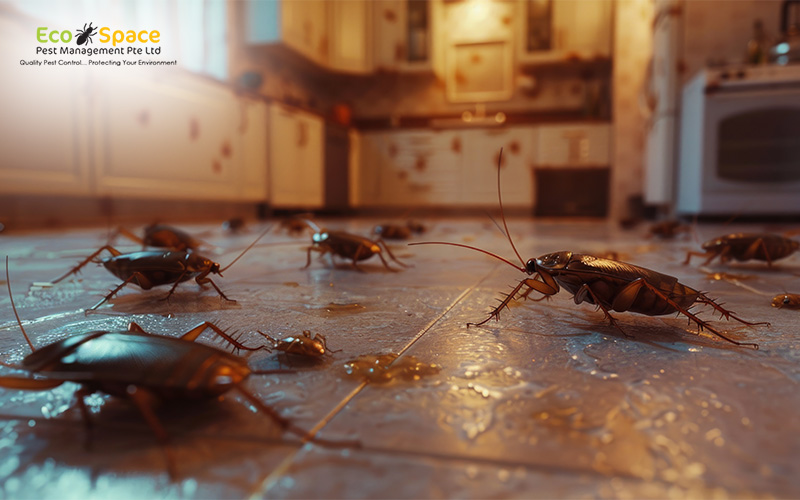
Cockroaches are among the most common and unhygienic household invaders in Singapore, thriving in warm, damp environments with easy access to food and shelter. The two species most frequently found in Singapore are:
- German cockroach: Small, light brown, and easily identified by two dark parallel stripes behind the head.
- American cockroach: Larger, reddish-brown, and capable of short glides.
Both species reproduce rapidly and emit a distinctive musty odour when present in large numbers. Since they are primarily nocturnal, seeing one in broad daylight often suggests an ongoing cockroach infestation that requires prompt professional attention.
2. Termites (White Ants): The Structural Threat
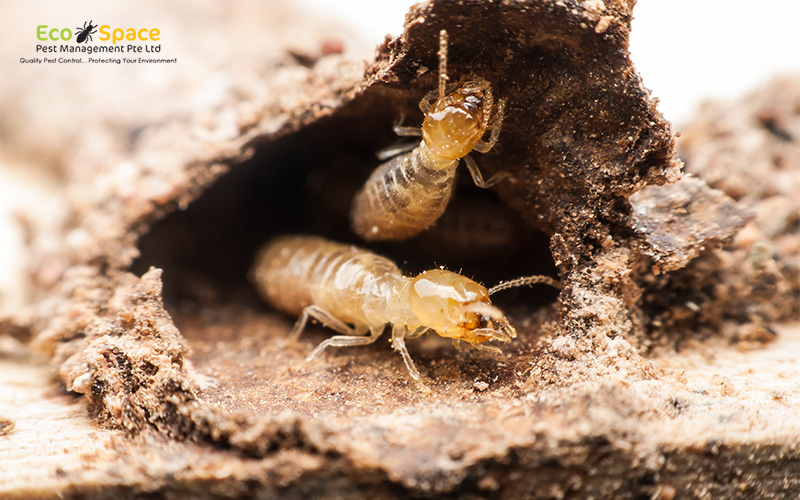
Few house pests cause more costly damage than termites. Feeding nonstop on cellulose in timber, paper, and drywall, they can hollow out entire structures from the inside out, often long before you see any visible damage.
Worker termites are pale, translucent, and soft-bodied, while swarmers (reproductive termites) have darker bodies with two pairs of equal-length wings. The tell-tale signs of their presence include:
- Mud tubes that run up walls or foundations
- Discarded wings near windows
- Wood that sounds hollow when tapped on
Left unchecked, termites can compromise flooring, beams, and furniture. Moreover, termite infestations can spread fairly quickly, making it crucial to schedule routine inspections if your home contains wooden structures or built-in carpentry.
3. Mosquitoes: The Public Health Risk
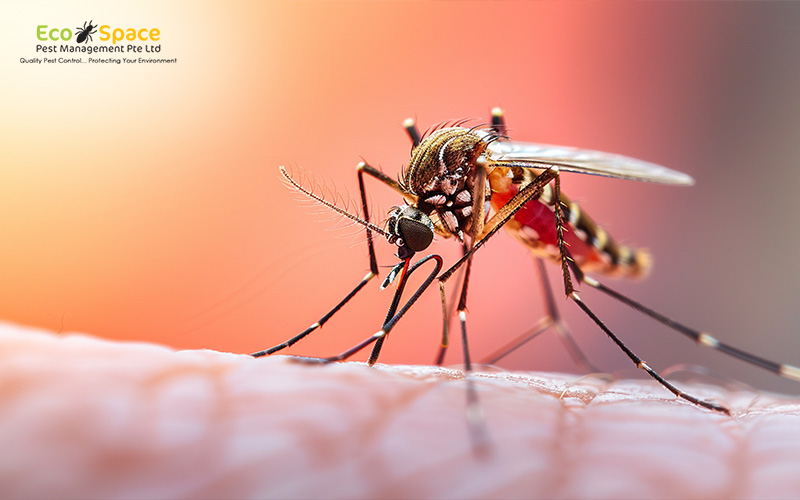
Mosquitoes aren’t just irritating; they’re a serious public health risk. Singapore’s humid climate allows them to breed rapidly, especially in standing water left in plant trays, drains, or uncovered containers.
The Aedes aegypti, identified by its black-and-white striped body and legs, is the primary carrier of dengue and Zika viruses. If you find larvae (“wrigglers”) or pupae in even a small pool of water, you may be hosting a breeding site.
Beyond the familiar itchy bites, persistent mosquito activity indoors signals nearby stagnant water. Eliminating these breeding grounds is crucial, and in severe cases, mosquito fogging or larvicide treatment provides safer, targeted control.
4. Ants: The Foraging Columns
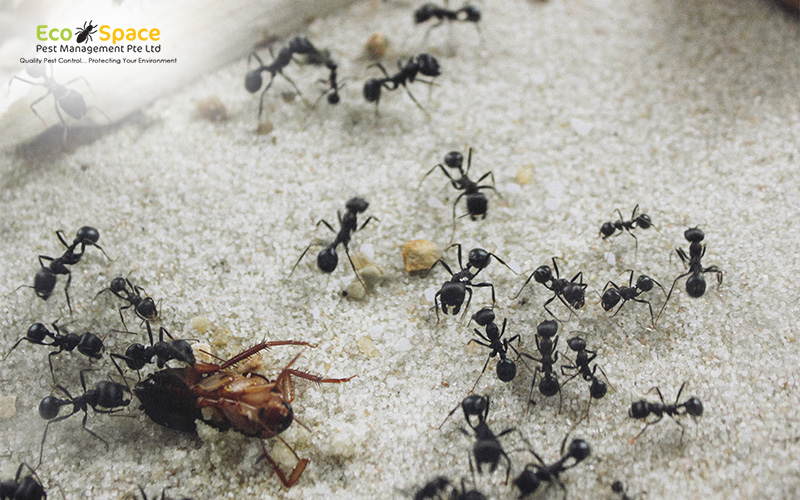
Ants are small but incredibly organised house pests that can quickly take over kitchens and pantries. Once a scout ant locates a food source, it leaves behind a pheromone trail that others follow, resulting in long, steady lines of foragers across floors and countertops.
Singapore’s most stubborn species, the Pharaoh ant, can build hidden nests in wall voids, sockets, or under tiles, making them difficult to eradicate with surface sprays alone. Small mounds of debris or soil near skirting boards may also indicate a nearby nest.
While ant baits can sometimes help reduce visible activity, recurring infestations may indicate deeper colonies that require professional ant pest control services. Specialists can identify the nesting zones and apply targeted treatments to ensure the entire colony, including the queen, is removed effectively.
5. Bed Bugs: The Silent Blood Feeders
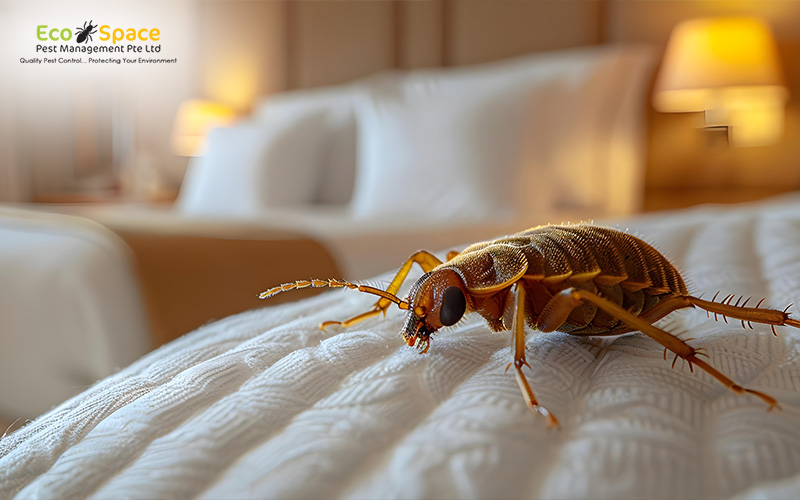
In Singapore, bed bug cases have been on the rise. These are small, reddish-brown insects that feed on human blood while you sleep, often going undetected for weeks. They’re expert hitchhikers, travelling via luggage, furniture, or even clothing.
Waking up with small, itchy bites arranged in a line or cluster is one of the earliest signs of an infestation. Other clues include tiny black faecal spots on sheets, pale shed skins, and faint blood stains near the mattress seams or bed frames.
Since bed bugs hide in tight crevices like mattresses, headboards, curtains, or sockets, DIY treatments rarely work. A thorough bed bug inspection and professional heat or steam treatment are essential to remove both adults and eggs effectively, preventing recurrence.
Building a Cleaner, Healthier, Pest-Free Home
From ants in the kitchen to termites in wooden furniture, house pests can cause more than inconvenience; they threaten health, safety, and property. Early detection, proper hygiene, and timely professional intervention are the best defences against infestations.
At EcoSpace Pest Management, we’re committed to helping homeowners maintain a safe and comfortable environment through thoughtful, science-backed pest control services. Our team focuses on lasting protection, so you can enjoy peace of mind knowing your home is in good hands.
Speak with our specialists for expert advice.